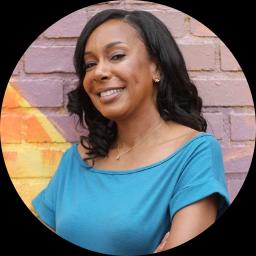
About Lashonda
Lashonda Knox is a licensed clinical social worker in Georgia who focuses on anxiety and related concerns. She brings practical support for stress, grief, self-esteem, relationship strain, and life changes. Lashonda uses straightforward language and a warm approach to help people talk through hard moments.
She trained in social work and holds a Master of Social Work from the University of Georgia. Over ten years she has worked with people from varied backgrounds and life situations.
Background and approach
That experience shapes a flexible way of working rather than a single method. In sessions she listens for each person’s story and looks for what matters most to them. She often draws on narrative techniques to help people make sense of painful events.
Lashonda also uses person-centered ideas to keep the focus on the client’s goals and values. You can expect practical tools and simple exercises to try between sessions. These might include mindfulness practices to reduce stress or cognitive strategies to change unhelpful thinking.
She aims to leave people with clear steps they can use outside therapy. Lashonda emphasizes collaboration and respect. She works at a pace that fits the individual and helps them name what they want to change.
Her goal is to help people feel more able to cope, more connected to their values, and closer to the life they want.
Therapeutic approaches that translate well to online care
Acceptance and Commitment Therapy, or ACT, helps people clarify what matters to them and take small actions toward those values even when anxiety or painful feelings are present. It emphasizes noticing thoughts and feelings without getting stuck and committing to useful behavior changes.Cognitive Behavioral Therapy, CBT, focuses on the links between thoughts, feelings, and actions. It teaches practical skills to test unhelpful thoughts and try new behaviors, which can reduce anxiety and improve mood.
Finding the right approach is a collaborative process. The therapist will discuss goals, preferences, and what has or hasn’t helped in the past. Together they choose techniques and adjust them as progress is made so therapy stays relevant to the client’s life.
Online formats offer flexibility for different needs. Video calls work well for full sessions and visual connection, phone sessions can fit into a work break or low-bandwidth situations, and live chat or text messaging allow shorter check-ins and ongoing support between appointments. These options make it easier to keep therapy consistent around daily demands.
Questions people ask
What concerns does this therapist address?
How would you describe the therapy style?
What background and experience does the therapist have?
What credentials and location are listed?
Which languages are available for sessions?
What session formats are offered?
How are fees and payment handled?
What are the first steps to begin therapy?
What this therapist works with
Most often
- Family conflicts
- Grief
- Self esteem
Also listed
- Addictions
- Anger management
- Cancer
- Career difficulties
- Caregiver issues and stress
- Coaching
- Commitment issues
- Communication problems
- Compassion fatigue
- Coping with life changes
- Depression
- Divorce and separation
- Forgiveness
- Guilt and shame
- HIV / AIDS
- Hospice and end-of-life counseling
- Infidelity
- Intimacy-related issues
- LGBT
- Life purpose
- Men's issues
- Multicultural concerns
- Parenting issues
- Relationship issues
- Sexuality
- Stress, Anxiety
- Trauma and abuse
Therapeutic approaches
- Experience
- 10 years
- Licensed
- Georgia
- Languages
- English
We will earn a commission if you sign up through our link, at no cost to you.