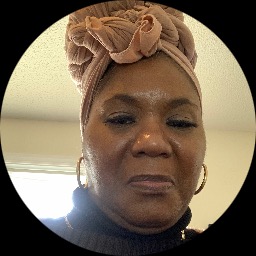
About Kim
Kim Taylor is a licensed clinical social worker with 20 years of experience helping people manage stress and anxiety. She works with adults who are struggling with addiction, trauma, low self-esteem, and major life changes. Her approach is straightforward and compassionate, aimed at helping people feel understood and able to make practical changes.
She creates an open space where clients can talk about thoughts and feelings without judgment. Conversations focus on what is happening now and on skills that help people cope day to day.
Background and approach
Sessions often include concrete tools for reducing anxiety and managing urges tied to addiction. Kim uses a mix of methods that support emotional healing and problem-solving. She combines cognitive behavioral techniques to change unhelpful thinking with mindfulness to build present-moment awareness.
When trauma is a factor, she incorporates trauma-focused approaches to address distressing memories and reactions. Her work also pays attention to relationships, communication, and patterns that contribute to loneliness or repeated hurt. She helps people navigate divorce and separation, heal from domestic violence, and work through feelings like guilt, shame, and abandonment.
Clients can expect practical next steps between sessions, such as short exercises, coping strategies, or motivational techniques to support change. Kim aims to partner with each person, matching approaches to their situation and goals.
Therapeutic approaches for online care
Kim Taylor uses cognitive behavioral therapy and trauma-focused approaches to address anxiety and the effects of past events. Cognitive behavioral therapy looks at patterns of thought and behavior and teaches practical skills to reduce worry, panic, and avoidance. Trauma-focused therapy aims to reduce the hold painful memories have on daily life and teach strategies to manage strong emotional reactions.She also uses mindfulness methods to help people notice the present moment without getting swept away by it. Mindfulness practices can be brief and fit into a busy day, and they often pair well with other techniques to lower overall stress. Choosing the right mix of these approaches is a collaborative process; the therapist will talk with the client about goals, test what works, and adjust methods based on how the person responds.
Online sessions are offered by video call, phone, live chat, or text-based messaging, allowing flexibility around work, caregiving, and mobility limits. Video calls are useful when visual connection helps the work, phone sessions need less bandwidth, live chat can be a quick check-in, and messaging supports brief updates or ongoing reflection between appointments. These options make it easier to maintain continuity of care and to try different formats as needs change.
Questions people ask
What kinds of problems does this therapist address?
What is the therapy style like?
How much experience does the therapist have?
What credentials and location are listed?
Are sessions available in other languages or internationally?
Which session formats are offered?
How is cost handled for sessions?
What steps are needed to begin working together?
What this therapist works with
Also listed
- Abandonment
- Chronic pain, illness, and disability
- Communication problems
- Coping with life changes
- Divorce and separation
- Domestic violence
- Drug and alcohol addiction
- Forgiveness
- Guilt and shame
- Isolation / loneliness
- Mood disorders
- Panic disorder and panic attacks
- Post-traumatic stress
- Self esteem
- Self-love
- Women's issues
Therapeutic approaches
- Experience
- 20 years
- Licensed
- North Carolina
- Languages
- English
We will earn a commission if you sign up through our link, at no cost to you.