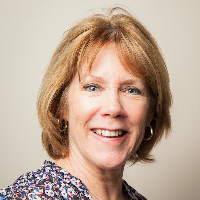
About Kathy
Dr. Kathy Cox is a licensed clinical social worker with 30 years of experience helping people manage stress, anxiety, grief, depression, and trauma. She focuses on practical steps clients can use in day-to-day life and aims to build a trusting relationship where people feel heard.
Her approach is calm and steady, with attention to strengths and realistic goals. Dr. Cox uses clear, straightforward methods to help people who are overwhelmed by mood changes, anger, compassion fatigue, addiction, or life transitions.
Background and approach
She also addresses parenting concerns, family problems, social anxiety, and challenges that come with aging or caregiving. Clients can expect a mix of talking, skill practice, and problem-solving during sessions. Her background includes many years as a clinician and time as a social work professor.
She has published two books, one on social work practice and another on self-care for counselors. That experience informs a teaching style that explains ideas plainly and gives useful tools to try between sessions. Dr.
Cox blends client-centered work with cognitive behavioral techniques and elements of dialectical behavior therapy and mindfulness. She also draws on motivational interviewing and narrative approaches when helpful. The result is a flexible plan shaped to each person’s needs.
Outside of work she enjoys yoga, swimming, and time with her dogs. She lives in California and brings a practical, compassionate presence to the work of coping and change.
Approaches you can use during online therapy
Dr. Cox commonly blends client-centered work with cognitive behavioral techniques and dialectical behavior therapy. Client-centered work focuses on listening carefully and responding to what matters most to the person, which helps build trust and clarify goals. Cognitive behavioral therapy looks at patterns of thought and behavior and teaches practical skills to reduce anxiety, manage mood, and change unhelpful habits. Dialectical behavior therapy offers emotion regulation, distress tolerance, and interpersonal skills that can help with strong emotions and relationship strain.Finding the right mix of approaches is part of the process. She collaborates with each person to identify priorities, test techniques, and adjust the plan based on what works. That means trying tools, checking progress, and shifting focus when needed so therapy stays useful and relevant.
Online sessions can be scheduled as video calls, phone sessions, live chat, or text-based messaging. Video is helpful for a face-to-face feel and teaching skills visually. Phone sessions can be easier when less bandwidth is available or when someone prefers not to be on camera. Live chat and text messaging support brief check-ins, skill reminders, or ongoing encouragement between longer sessions. These formats provide flexibility to fit therapy into busy lives and different daily routines.
Questions people ask
What kinds of concerns does she help with?
What is her general therapy style?
How much experience does she bring?
What credentials and location does she hold?
Which languages are supported and are international clients accepted?
In what session formats does she work?
How does billing and cost work?
What are the steps to begin therapy?
What this therapist works with
Most often
Also listed
- Addictions
- ADHD
- Adoption and foster care
- Aging and geriatric issues
- Anger management
- Bipolar disorder
- Caregiver issues and stress
- Communication problems
- Compassion fatigue
- Coping with life changes
- Depression
- Domestic violence
- Drug and alcohol addiction
- Family conflicts
- Family problems
- Guilt and shame
- Isolation / loneliness
- Parenting issues
- Post-traumatic stress
- Relationship issues
- Self esteem
- Social anxiety and phobia
- Young adult issues
Therapeutic approaches
- Experience
- 30 years
- Licensed
- California
- Languages
- English
We will earn a commission if you sign up through our link, at no cost to you.