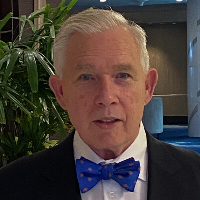
About John
John Jamieson is a licensed clinical social worker (LCSW) in Florida with 40 years of practice. He focuses on helping people manage stress, anxiety, addictions, trauma, relationship struggles, and grief. His style is direct and compassionate, aimed at practical steps people can use in daily life.
He draws on methods like Acceptance and Commitment Therapy, Cognitive Behavioral Therapy, and Client-Centered Therapy to guide sessions. That mix helps people reduce unhelpful thoughts, clarify values, and practice new behaviors.
Background and approach
Sessions often center on learning skills, trying small experiments, and reflecting on what matters to each person. Jamieson has worked with a wide range of concerns related to gender identity, sexual orientation, prejudice, and military-related issues. He also supports people facing shame, guilt, eating difficulties, HIV/AIDS concerns, and the fallout of infidelity.
He aims to listen first and build a plan that fits each person's situation. In therapy he emphasizes clear communication and honest conversation about goals. He helps people name what they want to change and tests practical ways to get there.
Progress is measured by what improves in everyday life rather than labels. People meet with him to address relationship communication problems, find purpose, process trauma, or cope with ongoing anxiety. Sessions are offered in English and scheduled from his practice in Florida.
Therapeutic approaches and online session options
Acceptance and Commitment Therapy helps people clarify what matters most and commit to small, meaningful actions. It is useful for anxiety, stress, and decisions about life direction because it emphasizes values and practical steps rather than trying to control every thought. Cognitive Behavioral Therapy focuses on identifying unhelpful thinking and changing behavior. It breaks problems into manageable parts and uses exercises to test different ways of responding to anxiety or negative beliefs. Client-Centered Therapy emphasizes listening and understanding the person's experience without judgment, which supports self-exploration and building confidence over time.Finding the right approach is part of the work. The therapist will discuss these methods and collaborate with each person to choose what fits their needs and goals. Sessions often blend techniques so people can try different options and see what helps them make steady progress.
Online therapy is offered through video calls, phone sessions, live chat, and text-based messaging to make scheduling easier and therapy more accessible. Video calls allow face-to-face conversation and visual cues. Phone sessions work well when bandwidth is limited or when a shorter check-in is needed. Live chat and text messaging are useful for brief check-ins, flexible communication between sessions, or when writing feels easier than speaking. These formats let people fit therapy into busy days and keep momentum between meetings.
Questions people ask
What concerns does he help with?
What is his therapeutic style like?
How much experience does he have?
What are his credentials and where is he located?
Which languages are supported?
What session formats are available?
How does payment and cost work?
How do I begin working with him?
What this therapist works with
Most often
Also listed
- Communication problems
- Eating disorders
- Forgiveness
- Gender dysphoria
- Grief
- Guilt and shame
- HIV / AIDS
- Infidelity
- Life purpose
- Polyamory / non-monogamous relationships
- Post-traumatic stress
- Prejudice and discrimination
- Relationship issues
- Trauma and abuse
- Veteran and Armed Forces Issues
Therapeutic approaches
- Experience
- 40 years
- Licensed
- Florida
- Languages
- English
We will earn a commission if you sign up through our link, at no cost to you.