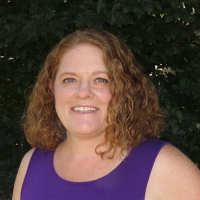
About Jennifer
Jennifer Branin is a Licensed Clinical Mental Health Counselor (LCMHC) in Utah with 13 years of experience supporting people facing stress, anxiety, addictions, trauma, and depression. She approaches work with compassion and listens closely to each person’s story. Her goal is to help people find clearer thinking and healthier habits so daily life feels more manageable.
She uses practical tools to address unhelpful thinking and behavior. Jennifer asks what someone hopes to get from counseling and then suggests small, achievable steps.
Background and approach
She pays attention to how trauma, grief, or burnout show up in everyday routines and encourages active self-care and positive affirmations. Sessions are conversational and focused. Jennifer offers insight while also challenging patterns that keep someone stuck.
She works to make progress feel realistic instead of overwhelming, breaking bigger changes into workable tasks. Her background includes supporting people with substance use, first responder issues, domestic violence, mood and personality concerns, and sexual trauma. This experience informs how she recognizes patterns and tailors interventions to each situation.
Jennifer draws from cognitive and behavioral methods alongside mindfulness practices and motivational interviewing. She also uses EMDR when appropriate to address traumatic memories. These approaches are woven into a steady, respectful style that centers the person’s goals and pace.
How Jennifer blends approaches in online care
Jennifer often draws on Cognitive Behavioral Therapy, which focuses on identifying unhelpful thoughts and testing new ways of thinking and behaving to reduce anxiety and improve mood. She also uses Dialectical Behavior Therapy skills to teach practical tools for emotional regulation, distress tolerance, and better interpersonal interactions. When trauma is central, she may incorporate Eye Movement Desensitization and Reprocessing to help process upsetting memories and reduce their hold on daily life.The choice of methods is a collaborative process. Jennifer will talk with each person about goals, past experience with therapy, and what feels most helpful. Together they decide which approaches to try and adjust the plan based on what’s working and what isn’t.
Online therapy offers flexibility for different needs. Video calls let you have a deeper face-to-face conversation. Phone sessions can fit into a short break or use less bandwidth. Live chat and text-based messaging work for quick check-ins, ongoing prompts, and written reflection between sessions. These options make it easier to fit therapy into a busy schedule while using the therapeutic approaches that suit the person.
Questions people ask
What problems does she help with?
How would you describe her therapeutic style?
What kind of professional experience does she have?
Where is she licensed and located?
Which languages are supported for sessions?
What session formats are available?
How are sessions paid for and what do they cost?
How do I begin working with her?
What this therapist works with
Also listed
- ADHD
- Anger management
- Antisocial personality
- Bipolar disorder
- Codependency
- Compassion fatigue
- Control issues
- Depression
- Disruptive Mood Dysregulation Disorder (DMDD)
- Domestic violence
- Drug and alcohol addiction
- Eating disorders
- Family conflicts
- First responder issues
- Grief
- Guilt and shame
- LGBT
- Mood disorders
- Personality disorders
- Polyamory / non-monogamous relationships
- Post-traumatic stress
- Process addiction (porn, exercise, gambling)
- Relationship issues
- Self esteem
- Sexual assault and abuse
- Sleeping disorders
- Veteran and Armed Forces Issues
Therapeutic approaches
- Experience
- 13 years
- Licensed
- Utah
- Languages
- English
We will earn a commission if you sign up through our link, at no cost to you.