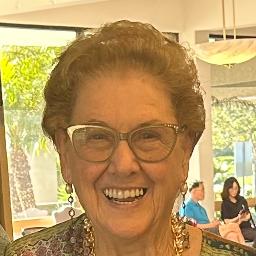
About Gloria
Gloria Cullinane is a licensed marriage and family therapist with four decades of experience. She focuses on anxiety, stress, depression, grief, trauma and career-related concerns. Gloria aims to make therapy straightforward and practical for people in difficult seasons.
She works in a warm, person-centered way and listens for what matters most to each person. Sessions often include talking through painful memories, learning new coping skills, and testing small changes that reduce daily worry.
Background and approach
Therapy can also address feeling stuck after loss or during big life transitions. Gloria blends attachment-based ideas with cognitive-behavioral strategies and emotion-focused work. That mix helps people understand their relationships, spot unhelpful thoughts, and name strong emotions so they stop driving behavior.
She may also use techniques from dialectical behavior therapy when emotion regulation is a central struggle. Clients come for many concerns beyond the most common ones: abandonment wounds, body image, caregiver stress, communication problems, control issues, divorce and separation, and money or career stress. The work typically moves between practical skills and deeper reflection about patterns that repeat in life.
Gloria holds a California LMFT, which means she is a licensed marriage and family therapist. She provides sessions in English and practices across a broad set of mood and adjustment issues. Her style is steady, direct, and focused on helping people regain more ease day to day.
Therapeutic approaches and online sessions that fit your life
Attachment-Based Therapy helps people understand how early relationship patterns affect current feelings and reactions. It focuses on safety in relationships and can be useful for abandonment, attachment issues, and struggles with trust. Cognitive Behavioral Therapy, or CBT, looks at how thoughts and behaviors keep anxiety and depression going. It uses practical exercises and small behavior changes to reduce worry and improve mood. Emotionally-Focused Therapy helps people name and shift strong emotions in the moment, which can ease intense reactions and improve connection in relationships.Finding the right approach is a collaborative process. The therapist will talk with the client about current problems, goals, and preferences and then suggest which methods to try. That plan can change as work unfolds so it fits what actually helps the client feel better.
Online therapy options include video calls, phone sessions, live chat, and text-based messaging. Video is useful for longer sessions and when visual cues matter. Phone work can be easier when bandwidth is limited or for a quick check-in. Live chat and text let a person send shorter messages between sessions or arrange a brief check-in during a busy day. These formats make therapy more flexible and easier to fit into work, caregiving, or other daily commitments.
Questions people ask
What concerns does she commonly address?
What is her therapeutic style like?
How much experience does she have?
Where is she licensed and based?
Which languages are supported for sessions?
What session formats are available?
How are fees and payment handled?
How do I begin working with her?
What this therapist works with
Most often
Also listed
- Abandonment
- Attachment issues
- Body image
- Career difficulties
- Caregiver issues and stress
- Communication problems
- Control issues
- Depression
- Divorce and separation
- Forgiveness
- Guilt and shame
- Impulsivity
- Isolation / loneliness
- Life purpose
- Midlife crisis
- Money and financial issues
- Mood disorders
- Narcissism
- Panic disorder and panic attacks
- Post-traumatic stress
- Pregnancy and childbirth
- Self-love
- Sexuality
- Social anxiety and phobia
- Women's issues
- Workplace issues
Therapeutic approaches
- Experience
- 40 years
- Licensed
- California
- Languages
- English
We will earn a commission if you sign up through our link, at no cost to you.