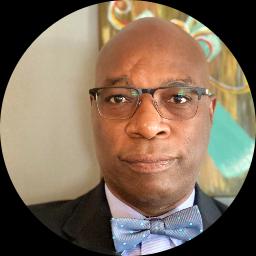
About George
George Ramsey is a licensed mental health counselor in Florida with 18 years of experience. He helps people who are dealing with anxiety, depression, relationship strain, trauma, and issues with self-esteem. He emphasizes starting where a person is and noticing strengths that can help in everyday life.
In sessions he takes a straightforward, person-focused approach. He listens first and works to understand each person's story. Then he and the person set clear goals and pick practical steps to try between visits.
Background and approach
George draws from methods like client-centered work, cognitive behavioral techniques, and trauma-focused care. That means conversations focus on how thoughts, behaviors, and memories affect daily life, and on learning ways to respond differently. Mindfulness and motivational strategies are used to build awareness and keep momentum.
Sessions are practical and down-to-earth. People can expect to talk about real situations, try simple skills, and track small changes. Homework or short practices are suggested when helpful so progress continues between meetings.
He respects that starting therapy can feel difficult and makes space for that worry. The aim is to help people feel more in charge of their choices and better able to handle stressors. George uses his years of experience to support each person as they work toward clearer goals.
Approaches that translate to online therapy
Client-Centered Therapy focuses on listening, understanding, and building a trusting space where people lead the conversation. This approach helps with anxiety, relationship concerns, and self-esteem by centering the person’s experience and choices.Cognitive Behavioral Therapy, or CBT, looks at how thoughts and behaviors interact. It helps people identify unhelpful thinking patterns and practice concrete skills to reduce anxiety and depression symptoms in everyday situations.
Trauma-Focused Therapy pays attention to how painful memories and reactions affect daily life and teaches ways to respond that reduce distress. It can be useful for those coping with past abuse, post-traumatic stress, or ongoing trauma-related symptoms.
Finding the right approach is usually a collaborative process. The therapist will talk with each person about goals, preferences, and what has or hasn’t helped before. Together they decide which methods to try and adjust them as work progresses.
Online formats offer flexibility in how people connect. Video calls allow face-to-face conversation and visual cues, phone sessions can fit into a busy day or use less bandwidth, live chat and text-based messaging let people check in with brief updates or ongoing reflection between sessions. These options make it easier to maintain progress without major schedule disruption.
Questions people ask
What kinds of concerns does this therapist address?
How would you describe his therapeutic style?
How much experience does he bring?
What are his credentials and location?
Can I work with him if I live outside the United States?
What session formats are available online?
How does payment and cost work?
What are the steps to begin working together?
What this therapist works with
Most often
- Relationship issues
- Trauma and abuse
- Intimacy-related issues
Also listed
- Abandonment
- Addictions
- ADHD
- Anger management
- Antisocial personality
- Attachment issues
- Avoidant personality
- Bipolar disorder
- Body image
- Career difficulties
- Coaching
- Compassion fatigue
- Coping with life changes
- Dependent personality
- Depression
- Drug and alcohol addiction
- Eating disorders
- Family conflicts
- First responder issues
- Grief
- LGBT
- Life purpose
- Parenting issues
- Personality disorders
- Post-traumatic stress
- Self esteem
- Self-harm
- Sleeping disorders
- Stress, Anxiety
Therapeutic approaches
- Experience
- 18 years
- Licensed
- Florida
- Languages
- English
We will earn a commission if you sign up through our link, at no cost to you.