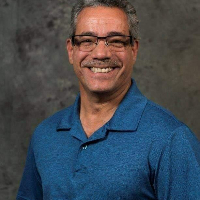
About Frank
Frank Pavone is a licensed clinical social worker with 17 years of experience helping people manage stress and anxiety. He focuses on practical skills people can use right away. He listens first, then helps set small goals that fit a person’s life.
He uses a client-centered style that keeps the person’s priorities in front. Cognitive Behavioral Therapy is part of his work to spot and change unhelpful thoughts. Dialectical Behavior Therapy tools and mindfulness practices are also offered for strong emotions and coping with distress.
Background and approach
Frank has long experience with family conflict, relationship strain, and issues that follow trauma or loss. He also supports people facing addiction, grief, sleeping problems, and career or self-esteem struggles. Additional focus includes blended family stress, caregiver burden, fatherhood questions, and challenges after separation or divorce.
Sessions are practical and down-to-earth. Clients can expect clear steps, homework when useful, and techniques to try between meetings. He pays attention to how culture and family history shape choices and stress.
Frank offers sessions by video call, phone, live chat, or text messaging. He speaks English and works from California as a licensed clinical social worker - LCSW in California and Arizona. He accepts international clients and helps people find an approach that fits their schedule and goals.
Practical approaches and online care for everyday stress
Frank often uses Cognitive Behavioral Therapy and Dialectical Behavior Therapy in online work. CBT helps people notice and shift thinking habits that make anxiety and low mood worse, and it offers concrete exercises to test new ways of thinking. DBT provides skills for managing intense emotions, improving distress tolerance, and building better communication during conflict. Finding the right approach is a collaborative process. He will talk with each person about goals, try techniques together, and adjust the plan based on what is most helpful and practical for daily life. Online sessions are offered by video call, phone, live chat, or text-based messaging. Video calls let people use face-to-face conversation for skill practice and role play. Phone sessions can work when bandwidth is limited or to fit a break at work. Live chat and messaging make brief check-ins and written exercises easy between sessions. These options give flexibility for busy schedules and help people keep therapy consistent when travel or timing would otherwise be a barrier.Questions people ask
What concerns does he help with?
What is his therapeutic style like?
How much experience does he have?
What credentials and location apply?
Which languages are supported?
What session formats are available?
How does payment and cost work?
How do I begin working with him?
What this therapist works with
Most often
- Stress, Anxiety
- Relationship issues
- Family conflicts
Also listed
- Addictions
- Anger management
- Blended family issues
- Career difficulties
- Caregiver issues and stress
- Codependency
- Commitment issues
- Communication problems
- Control issues
- Coping with life changes
- Depression
- Divorce and separation
- Domestic violence
- Drug and alcohol addiction
- Family of origin issues
- Family problems
- Fatherhood issues
- Fertility issues
- First responder issues
- Forgiveness
- Gender dysphoria
- Grief
- Impulsivity
- Infidelity
- Intimacy-related issues
- Men's issues
- Parenting issues
- Self esteem
- Self-love
- Sexual assault and abuse
- Sleeping disorders
- Trauma and abuse
- Veteran and Armed Forces Issues
- Workplace issues
- Young adult issues
Therapeutic approaches
- Experience
- 17 years
- Licensed
- California, Arizona
- Languages
- English
We will earn a commission if you sign up through our link, at no cost to you.