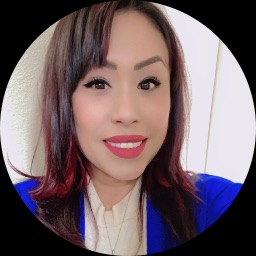
About Elizabeth
Dr. Elizabeth Marrufo-Esmele is a Licensed Professional Counselor (LPC) who helps people manage stress, anxiety, addictions, relationship struggles, and trauma. She approaches each person as the expert on their own life and focuses on building practical skills that fit daily life.
She encourages small steps and steady progress rather than quick fixes. Her work emphasizes clear goals and active problem solving. She uses client-centered methods to listen carefully and build trust.
Background and approach
Cognitive Behavioral Therapy (CBT) is part of her toolkit when thoughts and behaviors are getting in the way. Mindfulness exercises are used to help people calm their nervous system and stay present. She also draws on solution-focused techniques to set achievable short-term goals.
For relationship concerns she applies ideas from the Gottman Method to improve communication and reduce conflict. When trauma or abuse is part of the history, sessions include approaches aimed at safety and stabilization while moving at a pace the person can handle. Elizabeth keeps language simple and practical during sessions.
She will help people translate insight into everyday routines and habits. The focus is on building coping strategies, addressing substance use when needed, and improving self-esteem and connection. Based in Texas, she brings five years of experience to her LPC practice.
People can expect a respectful, collaborative style that balances listening with concrete steps toward change.
Approaches that translate to online care
Client-Centered Therapy focuses on listening and building an understanding of a person's goals; the therapist follows the person's lead and helps them find their own solutions. Cognitive Behavioral Therapy (CBT) looks at how thoughts and behaviors interact and teaches practical steps to change patterns that feed anxiety or low mood. The Gottman Method provides clear communication skills and exercises that couples can practice between sessions to reduce conflict and improve connection.Choosing the right approach is part of the work together. The therapist will discuss goals, preferences, and what feels most useful, then try methods that fit the person's needs. That collaborative process helps refine what works as sessions continue.
Online therapy offers flexibility through video calls, phone sessions, live chat, or text-based messaging. Video is useful for more in-depth conversations and practicing skills together. Phone sessions can be easier when bandwidth is limited or for shorter check-ins. Live chat and messaging allow quick reflections and ongoing support between longer sessions. These options make it easier to fit counseling into a busy schedule and to keep momentum between meetings.
Questions people ask
What concerns does she address?
What is her therapeutic style?
What background and experience does she have?
Where is she licensed and located?
Which languages are supported?
What session formats are available?
How does payment and cost work?
How do I begin working with her?
What this therapist works with
Most often
- Stress, Anxiety
- Addictions
- Relationship issues
Also listed
- Anger management
- Bipolar disorder
- Codependency
- Communication problems
- Coping with life changes
- Depression
- Drug and alcohol addiction
- Emptiness
- Forgiveness
- Grief
- Guilt and shame
- Intimacy-related issues
- LGBT
- Mood disorders
- Parenting issues
- Post-traumatic stress
- Self esteem
- Self-love
- Sexual assault and abuse
- Social anxiety and phobia
- Trauma and abuse
Therapeutic approaches
- Experience
- 5 years
- Licensed
- Texas
- Languages
- English
We will earn a commission if you sign up through our link, at no cost to you.