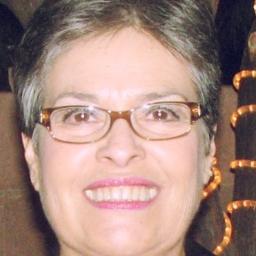
About Edna
Edna C Rosas-Gutierrez is a Licensed Professional Counselor with 18 years of clinical work in Arizona. She focuses on helping people who are overwhelmed by stress, anxiety, relationship problems, trauma or abuse, and grief. Her way of working is direct and respectful while staying attuned to each person's situation.
She adapts conversations and plans to fit what each person needs. Sessions are practical and aimed at everyday change rather than long lists of theory.
Background and approach
Edna pays attention to feelings like guilt, shame, isolation, and issues around attachment and abandonment. People come for help with communication problems, codependency, caregiver stress, and major life shifts such as divorce or a midlife crisis. She also supports men who are rethinking their roles or purpose.
Edna uses methods grounded in evidence to help people manage symptoms and make clearer choices. Edna works in both English and Spanish. She treats people who are coping with the aftermath of disasters or domestic violence and those trying to rebuild after loss.
Her tone in sessions is compassionate and straightforward, with a focus on what will be most useful right now. Asking for help is often the first step toward change, she says. Edna aims to help people find practical ways forward and regain a sense of control and direction in life.
Evidence-based approaches and flexible online care
Edna uses evidence-based therapeutic techniques that focus on practical skills and coping strategies. One common approach emphasizes identifying and changing unhelpful thinking and behavior patterns to reduce anxiety and stress; this helps people learn steps they can practice between sessions. Another approach concentrates on processing trauma and painful memories in a paced way so people can regain stability and reduce strong reactions.Choosing the best approach is a collaborative process. The therapist will talk with each person about their goals, symptoms, and life situation, then try methods that fit those priorities. Plans are adjusted over time based on what helps most.
Online therapy is offered through video calls, phone sessions, live chat, and text-based messaging. Video lets people work face to face when schedules allow. Phone sessions can be easier when bandwidth is limited or when someone prefers not to be on camera. Live chat and text messaging allow brief check-ins and written reflection between longer sessions. These options make it easier to fit therapy into a busy life and to keep consistent progress over time.
Questions people ask
What concerns does she commonly address?
How would you describe her therapy style?
How much clinical experience does she have?
What credential and location information is provided?
Which languages are available for sessions?
What formats are used for sessions?
How do fees and payment work?
How do I begin working with her?
What this therapist works with
Most often
- Stress, Anxiety
- Relationship issues
- Trauma and abuse
Also listed
- Abandonment
- Attachment issues
- Caregiver issues and stress
- Codependency
- Commitment issues
- Communication problems
- Coping with natural or human-caused disaster
- Divorce and separation
- Domestic violence
- Forgiveness
- Grief
- Guilt and shame
- Isolation / loneliness
- Life purpose
- Men's issues
- Midlife crisis
- Mood disorders
- Multicultural concerns
- Obsessions, compulsions, and OCD
- Post-traumatic stress
- Process addiction (porn, exercise, gambling)
- Self esteem
- Self-love
- Sex addiction
- Sexual assault and abuse
- Sexual dysfunction
- Sexuality
- Social anxiety and phobia
- Women's issues
- Workplace issues
- Experience
- 18 years
- Licensed
- Arizona
- Languages
- English, Spanish
We will earn a commission if you sign up through our link, at no cost to you.