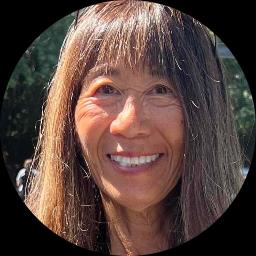
About Diane
Diane Kato is a Licensed Marriage and Family Therapist (LMFT) in California who draws on 23 years of clinical experience. She focuses on helping people manage stress and anxiety, navigate relationship and family difficulties, and cope with trauma and abuse. Diane aims to offer a steady presence for people who feel stuck or unsure about their next steps.
Her style centers on a person-centered foundation that treats the individual as the expert on their life.
Background and approach
She uses attachment-based ideas to look at how early bonds shape current relationships. Cognitive Behavioral Therapy, or CBT, helps people change patterns of thinking and behavior that keep anxiety and low mood active. Diane also incorporates Dialectical Behavior Therapy strategies to teach emotion regulation and distress tolerance skills.
She draws on Jungian concepts when exploring deeper themes of meaning and identity. Sessions are collaborative and paced according to each person's needs. She has worked with concerns such as abandonment, attachment issues, caregiver stress, communication problems, and grief related to hospice and end-of-life situations.
Diane also addresses shame, guilt, and cultural or multicultural concerns that affect mental health. People seeking practical tools will find behavioral strategies like CBT useful, while those wanting a relational focus can work more with attachment-based methods. Diane helps clients combine approaches to fit their goals and life circumstances.
Using attachment and skills-based approaches online
Attachment-Based Therapy looks at how early relationships shape current patterns. Online sessions can use this approach to map how trust, closeness, or fear of abandonment show up now and work on building healthier connection habits. Cognitive Behavioral Therapy, or CBT, focuses on changing unhelpful thoughts and behaviors. In video or message work, it often includes practical exercises, thought records, and small behavioral experiments to reduce anxiety and improve mood.Finding the right approach is part of the work. The therapist will talk with each person about goals, symptoms, and day-to-day life to decide which methods to try first. That makes the plan a joint effort that can be adjusted over time based on what helps most.
Online therapy offers flexibility in how people connect. Video calls let therapists and clients use facial cues and real-time interaction for deep conversations. Phone sessions can fit a busy schedule or lower bandwidth needs. Live chat and text-based messaging support shorter check-ins, skill practice between sessions, and people who prefer writing to speaking. These options make it easier to continue steady care around work, caregiving, or travel.
Questions people ask
What concerns does Diane commonly address?
How would you describe Diane's therapy style?
What is Diane's professional background?
Where is Diane licensed and practicing?
Which languages are sessions offered in?
What session formats are available?
How are sessions priced?
How do I begin working with Diane?
What this therapist works with
Most often
- Stress, Anxiety
- Relationship issues
- Family conflicts
Also listed
- Abandonment
- Attachment issues
- Caregiver issues and stress
- Communication problems
- Divorce and separation
- Family problems
- Forgiveness
- Guilt and shame
- Hospice and end-of-life counseling
- Impulsivity
- Life purpose
- Midlife crisis
- Multicultural concerns
- Post-traumatic stress
- Prejudice and discrimination
- Self esteem
- Trauma and abuse
- Workplace issues
Therapeutic approaches
- Experience
- 23 years
- Licensed
- California
- Languages
- English
We will earn a commission if you sign up through our link, at no cost to you.