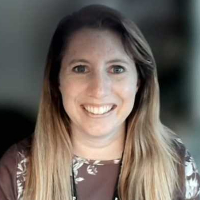
About Diana
Diana Cron is a licensed clinician based in Maryland who helps people facing stress, anxiety, depression, trauma, and related concerns. She brings seven years of experience to sessions and works with individuals on issues like self-esteem, ADHD, addictions, and compassion fatigue. Her style is warm and collaborative.
She focuses on strengths and partners with each person to set the agenda for sessions. Conversation is practical and straightforward, aimed at connecting feelings with thoughts and behaviors.
Background and approach
In sessions she uses approaches such as cognitive behavioral techniques, mindfulness, motivational interviewing, and narrative and trauma-focused work. That mix lets her offer both short-term skills and deeper exploration, depending on what someone needs. Diana has experience supporting people through attachment challenges, adoption and foster care concerns, body image and communication problems, and post-traumatic stress.
She also addresses issues like social anxiety, seasonal mood shifts, guilt and shame, and first responder stress. She works in English and holds an MD and is a Licensed Certified Social Worker-Clinical. Diana aims to help clients build manageable routines, reduce overwhelming symptoms, and find clearer ways to cope with daily demands.
People who want a steady, practical partner to talk through stressful times will find a direct, empathic approach. Sessions focus on what matters now and on steps that can fit into real life.
Approaches that translate to online care
CBT, or cognitive behavioral therapy, focuses on identifying unhelpful thoughts and testing them with practical experiments and skill building. It often helps with anxiety, stress, and mood by giving concrete tools to change reactions and behaviors.Mindfulness therapy teaches simple attention and breathing practices to reduce reactivity and increase calm. It is useful for managing stress, emotional overwhelm, and symptoms that come from chronic worry.
Motivational interviewing supports people who feel stuck or ambivalent about change by exploring values and building motivation one step at a time. It pairs well with other techniques when someone is trying to shift habits or address addictions.
Choosing a therapeutic approach is a collaborative process. The therapist will talk with each person about goals, preferences, and what has or hasn't helped in the past, then adjust methods as work progresses. This means techniques can change over time to match needs.
Online therapy makes those methods easier to access. Video calls allow face-to-face conversation for skills practice and deeper work. Phone sessions can be a good option when bandwidth is limited or a shorter check-in is needed. Live chat and text messaging provide flexible ways to send updates, get brief coaching between sessions, or check in when typing feels easier than speaking. These options help fit therapy into busy schedules and everyday life.
Questions people ask
What kinds of concerns does she address?
What is her therapeutic approach like?
How much experience does she have?
What credentials and location are listed?
Which languages are supported in sessions?
Can international clients work with her?
What session formats does she offer?
How do I get started with therapy?
What this therapist works with
Also listed
- Addictions
- ADHD
- Adoption and foster care
- Attachment issues
- Body image
- Communication problems
- Compassion fatigue
- Depression
- Disruptive Mood Dysregulation Disorder (DMDD)
- Family conflicts
- First responder issues
- Guilt and shame
- Impulsivity
- Isolation / loneliness
- Parenting issues
- Post-traumatic stress
- Prejudice and discrimination
- Seasonal Affective Disorder (SAD)
- Social anxiety and phobia
- Women's issues
Therapeutic approaches
- Experience
- 7 years
- Licensed
- Maryland
- Languages
- English
We will earn a commission if you sign up through our link, at no cost to you.