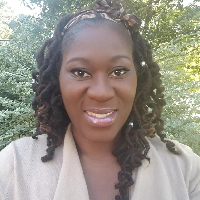
About Desirea
Desirea Russell is a Licensed Professional Counselor (LPC) who helps people facing anxiety, stress, mood shifts, and life transitions. She focuses on practical steps people can use right away. Her tone is straightforward and goal-oriented for those who want clear change.
She brings seven years of LPC practice in Georgia and many more years in the mental health field overall. That background includes work with addiction, trauma and vocational concerns.
Background and approach
She also supports people dealing with bipolar disorder, depression, ADHD, and co-occurring issues. In sessions she uses cognitive behavioral ideas to spot unhelpful thoughts and habits. She also draws on solution-focused techniques that aim for small, achievable changes.
Trauma-focused approaches are part of her work when past events keep affecting daily life. Desirea pairs career and vocational knowledge with therapy to help when work, finances, or job transitions are part of the problem. She pays attention to how family of origin and multicultural factors shape feelings and choices.
Practical coping skills and clear planning are central to her style. People meet concrete tools, step-by-step strategies, and a collaborative plan to track progress. She offers video calls, phone sessions, live chat, and text-based messaging to fit different schedules and needs.
Sessions are designed to fit into busy lives while focusing on steady improvement.
How online methods support practical, goal-focused therapy
Desirea commonly uses cognitive behavioral therapy and solution-focused therapy in online work. Cognitive behavioral therapy looks at the links between thoughts, feelings, and actions and teaches skills to change unhelpful patterns. It is often useful for anxiety, depression, and stress by giving clear tools to try between sessions. Solution-focused therapy emphasizes small, concrete steps and short-term goals that build momentum toward change.Finding the right approach is part of the first sessions. The therapist works together with the client to identify needs, goals, and preferences, then adjusts methods to fit. That collaborative process helps shape whether a cognitive, solution-focused, or trauma-informed path is best for a person.
Online formats include video calls, phone sessions, live chat, and text-based messaging to offer flexibility. Video lets people use face-to-face conversation and visual cues. Phone sessions can be easier when bandwidth is limited or a shorter check-in is needed. Live chat and text messaging work well for brief updates, quick coping strategies, or ongoing support between longer sessions. These options make it easier to fit therapy into work, family, and travel schedules while keeping focus on practical progress.
Questions people ask
What concerns does she help with?
What is her therapeutic style?
How much experience does she have?
Where is she based and licensed?
Which languages are offered?
What session formats are available?
How are sessions priced?
How do I begin working with her?
What this therapist works with
Most often
- Stress, Anxiety
- Anger management
- Career difficulties
Also listed
- Addictions
- ADHD
- Bipolar disorder
- Coaching
- Compassion fatigue
- Coping with life changes
- Depression
- Divorce and separation
- Family conflicts
- Family of origin issues
- Family problems
- Grief
- Intimacy-related issues
- LGBT
- Money and financial issues
- Mood disorders
- Multicultural concerns
- Parenting issues
- Personality disorders
- Polyamory / non-monogamous relationships
- Post-traumatic stress
- Pregnancy and childbirth
- Relationship issues
- Self esteem
- Social anxiety and phobia
- Trauma and abuse
- Women's issues
- Workplace issues
- Young adult issues
Therapeutic approaches
- Experience
- 7 years
- Licensed
- Georgia
- Languages
- English
We will earn a commission if you sign up through our link, at no cost to you.