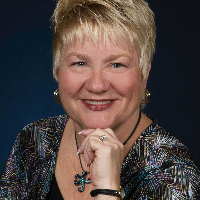
About Deborah
Deborah Trent is a licensed mental health counselor in Florida with 20 years of experience. She focuses on helping people who are feeling overwhelmed by stress, anxiety, depression, panic, or addiction. Her style is straightforward and warm, aimed at helping people feel steadier and more capable in daily life.
Deborah believes no one is broken by their life story. She helps people find and strengthen the parts of themselves that bring calm and resilience.
Background and approach
Sessions center on practical steps and honest conversation rather than one-size-fits-all solutions. Her work draws on client-centered methods that follow each person's pace and priorities. She also uses cognitive behavioral techniques to identify unhelpful thinking and replace it with more useful habits.
Mindfulness tools are offered to reduce reactivity and improve focus in stressful moments. Deborah has worked in community mental health, independent practice, and residential substance abuse settings. That background informs how she tailors plans for people coping with trauma, grief, relationship stress, or substance concerns.
In therapy she approaches the relationship as a partnership. Together with the person seeking help she builds goals and practical strategies that fit their life. The focus is on steady progress toward clearer thinking, calmer reactions, and better daily functioning.
How Deborah Uses Practical Approaches Online
Deborah commonly uses client-centered methods that focus on the person's needs and pace. This means sessions begin by listening and following what matters most to the person seeking help, then shaping goals and steps together. Cognitive behavioral therapy is also used to help identify unhelpful thought patterns and build new behaviors that reduce anxiety and panic attacks.Finding the right approach is part of the work. Deborah treats the choice of methods as a collaboration - she and the client decide together which techniques to try based on goals and preferences. Plans are adjusted over time if something isn’t helping or life circumstances change.
Online options include video calls, phone sessions, live chat, and text-based messaging. Video allows face-to-face conversation when a longer session is helpful. Phone calls can be easier when bandwidth is limited or when someone prefers not to be on camera. Live chat and text messaging can work for shorter check-ins, quick coping tools, or ongoing support between sessions. These choices make it easier to fit therapy into a busy life while keeping the work focused and practical.
Questions people ask
What kinds of concerns does Deborah address?
How would you describe her therapeutic style?
What is her clinical background?
Where is she licensed and based?
Can sessions be conducted in other languages or internationally?
What session formats are available?
How does billing and cost work?
How do I begin working with her?
What this therapist works with
Also listed
- Anger management
- Bipolar disorder
- Cancer
- Career difficulties
- Communication problems
- Control issues
- Coping with life changes
- Depression
- Dissociation
- Drug and alcohol addiction
- Family conflicts
- Forgiveness
- Grief
- Guilt and shame
- Intimacy-related issues
- LGBT
- Life purpose
- Midlife crisis
- Panic disorder and panic attacks
- Parenting issues
- Post-traumatic stress
- Relationship issues
- Self esteem
- Social anxiety and phobia
- Women's issues
Therapeutic approaches
- Experience
- 20 years
- Licensed
- Florida
- Languages
- English
We will earn a commission if you sign up through our link, at no cost to you.