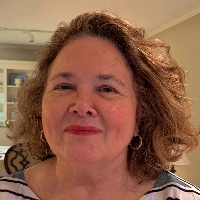
About Deborah
Dr. Deborah Gipple offers calm, practical support for people feeling overwhelmed by stress, anxiety, grief, or life transitions. She greets each person where they are and focuses on clear next steps.
Her approach is warm and straightforward, aimed at making day-to-day coping easier and more manageable. Dr. Gipple is a Licensed Clinical Mental Health Counselor, LCMHC, based in North Carolina.
She brings 23 years of counseling experience to sessions and has worked with a wide range of concerns, including trauma and abuse, depression, addictions, ADHD, and relationship struggles.
Background and approach
Her background also includes work around sexual assault and young-adult issues. In sessions she uses Client-Centered methods to listen and reflect what matters most to the individual. Cognitive Behavioral Therapy techniques help break distressing patterns and build practical skills.
She also draws on solution-focused and trauma-focused ideas when people need concrete steps or help processing difficult experiences. Dr. Gipple keeps things collaborative.
She helps people set realistic goals and tracks small wins along the way. She also supports those coping with compassion fatigue, career strain, and questions about life purpose. Her style favors clarity and encouragement.
People can expect straightforward strategies, mindfulness tools when helpful, and room to talk through painful emotions. Her aim is to help clients feel more capable of managing emotions and daily responsibilities.
How approach and online options work together
Client-Centered Therapy focuses on listening and reflecting what matters most to the person. It gives space for people to name their priorities and guides the counselor to follow their lead. Cognitive Behavioral Therapy (CBT) targets specific thoughts and behaviors to reduce anxiety and improve day-to-day functioning. It often involves homework and clear skill practice that people can use between sessions.Finding the right approach is a collaborative process. The therapist will discuss goals and preferences, try strategies, and adjust the plan as progress is made. If trauma-focused work is needed, she can pace that work and combine methods to help people feel steadier while processing difficult memories.
Online therapy offers flexible ways to connect. Video calls let people work face-to-face when visual cues matter. Phone sessions can be helpful when audio is enough or bandwidth is limited. Live chat and text-based messaging allow shorter check-ins and written reflections that fit into busy days. These options make it easier to fit therapy around work, school, and caregiving responsibilities while using the same therapeutic methods described above.
Questions people ask
What kinds of concerns does she help with?
How would you describe her therapeutic style?
What is her professional background?
What credentials and location are on record?
Which languages are supported for sessions?
What session formats are available?
How does cost and billing work?
How do I begin working with this therapist?
What this therapist works with
Most often
Also listed
- Addictions
- ADHD
- Anger management
- Attachment issues
- Bipolar disorder
- Career difficulties
- Coaching
- Codependency
- Compassion fatigue
- Coping with life changes
- Depression
- Dissociation
- Family conflicts
- Family of origin issues
- Family problems
- Forgiveness
- Guilt and shame
- LGBT
- Life purpose
- Parenting issues
- Relationship issues
- Seasonal Affective Disorder (SAD)
- Self esteem
- Self-love
- Sexual assault and abuse
- Women's issues
- Young adult issues
Therapeutic approaches
- Experience
- 23 years
- Licensed
- North Carolina
- Languages
- English
We will earn a commission if you sign up through our link, at no cost to you.