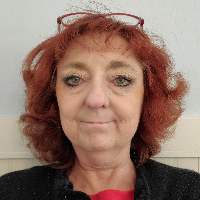
About DeBora
DeBora Turpin is a Licensed Professional Counselor (LPC) who helps people struggling with stress, anxiety, depression, and life changes. She focuses on practical steps people can use right away. Sessions aim to change unhelpful thinking, breathing, and emotional patterns that shape behavior and choices.
Her approach is results-oriented and goal-focused. She works with clients to identify what they want and build a clear plan to get there. That plan can include skills for managing mood, reducing anxiety, and improving communication.
Background and approach
DeBora draws on Cognitive Behavioral Therapy, mindfulness techniques, and other methods to teach new coping strategies. She also uses approaches like Eye Movement Desensitization and Reprocessing and hypnotherapy when those fit a person's needs. She emphasizes learning concrete tools rather than only talking about problems.
Her personal experience includes overcoming difficult self-beliefs and earning three college degrees, which shapes how she relates to people who feel stuck or hopeless. She understands challenges such as caregiver stress, chronic illness, grief, addiction, and issues tied to family of origin. DeBora practices in Oklahoma and offers online options for people who prefer remote sessions.
Her style is straightforward and encouraging - she helps people see strengths they may not notice and build steps toward the life they want.
How approaches like CBT and EMDR work online
DeBora uses Cognitive Behavioral Therapy (CBT) to help people notice and change unhelpful thoughts and behaviors. CBT sessions teach specific skills for managing anxiety, improving mood, and solving problems in everyday life. Eye Movement Desensitization and Reprocessing (EMDR) is used to work with distressing memories and trauma responses through structured processing techniques that can reduce the intensity of those memories.Finding the right approach is a collaborative process. The therapist and client talk about goals and preferences, try methods that make sense, and adjust the plan over time. The aim is to choose tools that fit the person's needs and lead to practical improvements.
Online therapy offers flexible ways to meet. Video calls let people talk face-to-face when visual cues help. Phone sessions can be shorter check-ins or work better when internet bandwidth is limited. Live chat and text-based messaging make it easier to fit support into a busy day and provide ongoing check-ins between sessions. These formats help make therapy more accessible while keeping the focus on clear goals and skill-building.
Questions people ask
What kinds of concerns does DeBora address?
What is her therapy style like?
How much clinical experience does she have?
Where is she licensed and based?
Can I work with her if I live outside the United States?
Which session formats are available?
How are sessions paid for and what do they cost?
How do I begin working with her?
What this therapist works with
Most often
- Stress, Anxiety
- Anger management
- Depression
Also listed
- Abandonment
- Addictions
- ADHD
- Bipolar disorder
- Cancer
- Caregiver issues and stress
- Chronic pain, illness, and disability
- Co-morbidity
- Coaching
- Communication problems
- Control issues
- Coping with life changes
- Dissociation
- Family conflicts
- Family of origin issues
- Family problems
- Forgiveness
- Guilt and shame
- Infidelity
- Life purpose
- Obsessions, compulsions, and OCD
- Panic disorder and panic attacks
- Phobias
- Post-traumatic stress
- Postpartum depression
- Process addiction (porn, exercise, gambling)
- Relationship issues
- Seasonal Affective Disorder (SAD)
- Self-love
- Smoking / vaping cessation
- Social anxiety and phobia
- Trauma and abuse
- Trichotillomania
- Workplace issues
Therapeutic approaches
- Experience
- 3 years
- Licensed
- Oklahoma
- Languages
- English
We will earn a commission if you sign up through our link, at no cost to you.