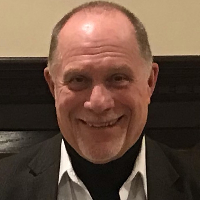
About David
David Spann is a licensed clinical social worker who brings nearly three decades of experience to therapy. He uses down-to-earth conversation and practical tools to help people who feel stuck by anxiety, grief, addiction, mood struggles, and relationship problems. David holds a Master of Social Work and works from North Carolina as an LCSW and an LISW.
He blends approaches that focus on attachment, thinking patterns, and present-moment awareness. That means sessions often include looking at how past relationships shape current reactions, identifying unhelpful thoughts, and practicing grounding skills to reduce overwhelm.
Background and approach
The work is paced to each person's needs and goals. David has worked in outpatient clinics, residential programs, and hospitals, including time supporting active duty Marines at a Naval hospital. That background informs how he talks about trauma, addiction, and the stresses that ripple through relationships and family systems.
He also brings years of leadership and training experience from program development, crisis intervention training for law enforcement, and running seminars on grief, communication, and boundaries. That experience supports a clear, organized approach during sessions and when setting practical goals. People can expect straightforward coaching alongside therapy.
Sessions focus on skills people can use between meetings, improving communication, and building plans to manage symptoms. Scheduling is handled through the matching and booking process on the platform.
Approaches that translate to online care
Attachment-based work looks at how early relationships shape reactions today and helps people notice patterns that affect current bonds and trust. It can be useful for those who want to understand why they react strongly in close relationships and for improving connection with partners or family members.Cognitive Behavioral Therapy, or CBT, focuses on identifying unhelpful thoughts and testing them with practical experiments. It helps reduce anxiety, depression, and mood symptoms by teaching concrete skills to change thinking and behavior.
Mindfulness therapy teaches simple attention and grounding practices to reduce reactivity and increase calm. These techniques pair well with CBT and attachment work for people coping with stress, trauma reminders, or persistent worry.
Finding the right mix of approaches is part of the process. The therapist collaborates with each person to choose methods that match their goals, preferences, and daily life. Together they set small, measurable steps and adjust the plan over time based on what works.
Online therapy offers several practical benefits. Video calls allow face-to-face conversation and skill practice without travel. Phone sessions are useful when bandwidth is limited or for shorter check-ins. Live chat or text messaging can keep momentum between sessions with quick coaching, reminders, or emotional support. These options make it easier to fit therapy into busy days and to continue work consistently.
Questions people ask
What concerns does he address?
What is his therapy style?
How much experience does he have?
What are his credentials and where is he based?
Which languages are offered for sessions?
Can people outside the country work with him?
What session formats are available?
How are fees and getting started handled?
What this therapist works with
Most often
- Addictions
- Family conflicts
- Trauma and abuse
Also listed
- Anger management
- Attachment issues
- Bipolar disorder
- Blended family issues
- Career difficulties
- Coaching
- Codependency
- Communication problems
- Compassion fatigue
- Control issues
- Coping with life changes
- Coping with natural or human-caused disaster
- Depression
- Divorce and separation
- Domestic violence
- Drug and alcohol addiction
- Grief
- Intimacy-related issues
- Life purpose
- Money and financial issues
- Mood disorders
- Multicultural concerns
- Parenting issues
- Post-traumatic stress
- Relationship issues
- Self esteem
- Self-love
- Sex addiction
- Sexual assault and abuse
- Stress, Anxiety
- Veteran and Armed Forces Issues
- Workplace issues
Therapeutic approaches
- Experience
- 29 years
- Licensed
- North Carolina, Ohio
- Languages
- English
We will earn a commission if you sign up through our link, at no cost to you.