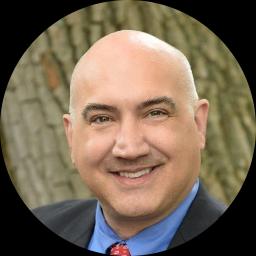
About David
David Rossetti is a licensed clinical social worker with 28 years of experience helping people facing anxiety, stress, depression, and relationship strain. He practices in New York and offers straightforward support for people dealing with trauma, identity questions, and the emotional fallout of life transitions. His sessions focus on clear communication and practical steps.
He listens for patterns that feed anxiety and helps people notice what changes might lessen worry and tension.
Background and approach
He also addresses issues like codependency, attachment concerns, and the aftermath of abuse or loss. David brings long experience working with clients who are navigating gender dysphoria, LGBT concerns, sexual health issues, and the emotional effects of adoption, foster care, or family-of-origin conflict. He also supports people confronting grief, fertility-related stress, hospice and end-of-life questions, and health-related challenges such as HIV/AIDS.
Therapy with him tends to be collaborative and paced to what each person can manage. He focuses on helping clients build practical coping skills, repair communication patterns, and process painful memories so they interfere less with daily life. Sessions are offered in English and delivered through video calls, phone sessions, live chat, or text-based messaging.
David uses a subscription model for sessions that can be canceled at any time, and fees vary with location and therapist availability.
Approaches that guide online work
David typically uses evidence-based therapeutic techniques to help people reduce anxiety and improve relationships. He often focuses on approaches that teach concrete coping skills to manage worry and stress, helping people notice unhelpful thoughts and try practical behavior changes that reduce tension.He also emphasizes trauma-informed methods that help people process painful experiences at a pace they can tolerate. These methods break down overwhelming memories into manageable steps and combine emotion skills with grounding strategies so memories interfere less with daily life.
Choosing the right approach is a collaborative process. The therapist will discuss goals, preferences, and what has or hasn’t worked before, then tailor techniques to fit those needs. Clients and the therapist review progress and adjust methods as work unfolds.
Online sessions are offered by video calls, phone sessions, live chat, or text-based messaging to match different practical needs. Video calls allow face-to-face conversation, phone sessions can be easier when bandwidth is limited or a shorter check-in is needed, live chat suits brief exchanges, and text messaging supports ongoing reflection between sessions. These options make it easier to fit therapy into a busy life and maintain continuity when schedules or locations change.
Questions people ask
What concerns does this therapist address?
What is his general therapeutic style?
How much experience does he have?
What credentials and location are listed?
Which languages are supported and can he work internationally?
What session formats are available?
How are sessions paid for and what do they cost?
How do I begin working with him?
What this therapist works with
Most often
- Stress, Anxiety
- LGBT
- Relationship issues
Also listed
- Abandonment
- Adoption and foster care
- Attachment issues
- Codependency
- Communication problems
- Depression
- Divorce and separation
- Domestic violence
- Family of origin issues
- Family problems
- Fertility issues
- First responder issues
- Gender dysphoria
- Guilt and shame
- HIV / AIDS
- Hospice and end-of-life counseling
- Infidelity
- Isolation / loneliness
- Men's issues
- Post-traumatic stress
- Pregnancy and childbirth
- Sex addiction
- Sexual assault and abuse
- Sexual dysfunction
- Sexuality
- Trauma and abuse
- Veteran and Armed Forces Issues
- Experience
- 28 years
- Licensed
- New York
- Languages
- English
We will earn a commission if you sign up through our link, at no cost to you.