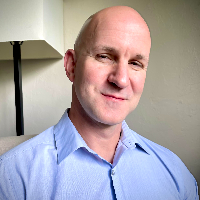
About David
David Kranson is a Licensed Mental Health Counselor (LMHC) based in Florida with 12 years of experience in clinical settings. He focuses on helping people manage stress and anxiety, address addictions, and find practical ways to move past trauma and mood struggles. He uses clear, straightforward language in sessions.
David helps clients set realistic goals and build simple plans to reach them. He leans toward approaches that emphasize skills and real-life changes rather than long theoretical talks.
Background and approach
In the room he combines problem-solving with attention to thoughts and feelings. David draws on methods that teach coping skills, challenge unhelpful thinking, and increase awareness of the present moment. This mix is useful for issues like panic, low mood, or difficulties with alcohol and drugs.
He also supports people facing relationship strain, parenting stress, work burnout, and the pain of loss. Conversations often focus on improving communication, reducing impulsive reactions, and restoring a sense of direction and purpose. David aims to make therapy practical and manageable.
Sessions often include short exercises, homework to practice new skills, and regular check-ins to track progress. He works with each person to tailor the pace and focus to their needs.
Approaches and online care that focus on practical change
David commonly uses Cognitive Behavioral Therapy and Mindfulness Therapy in his online work. Cognitive Behavioral Therapy (CBT) looks at how thoughts, feelings, and behaviors connect and teaches concrete skills to change unhelpful patterns; it is often used for anxiety, depression, panic, and phobias. Mindfulness Therapy helps people build awareness of the present moment and respond to stress with less reactivity, which can reduce worry and improve mood.Choosing the right approach is a team effort. The therapist discusses goals, preferences, and what has or hasn’t worked before, then adjusts methods as needed. Sessions can blend techniques so the plan fits the person rather than forcing a single method.
Online therapy is offered by video calls, phone sessions, live chat, and text-based messaging to give flexibility. Video lets people work face-to-face from wherever they are, phone can be quieter and use less bandwidth, live chat is useful for shorter check-ins, and messaging supports ongoing reflection between sessions. These options make it easier to schedule appointments around work, school, or caregiving and to keep continuity when life is busy.
Questions people ask
What concerns does he address?
What is his therapy style like?
How long has he worked in mental health?
What are his credentials and where is he based?
Which languages are available for sessions?
What session formats are offered?
How does payment and cost work?
How do I begin working with him?
What this therapist works with
Also listed
- Anger management
- Bipolar disorder
- Career difficulties
- Communication problems
- Control issues
- Coping with life changes
- Depression
- Drug and alcohol addiction
- Family conflicts
- Family problems
- Fatherhood issues
- Forgiveness
- Grief
- Guilt and shame
- Impulsivity
- Intimacy-related issues
- Isolation / loneliness
- LGBT
- Life purpose
- Men's issues
- Mood disorders
- Panic disorder and panic attacks
- Parenting issues
- Phobias
- Post-traumatic stress
- Process addiction (porn, exercise, gambling)
- Relationship issues
- Self esteem
- Self-love
- Social anxiety and phobia
- Young adult issues
Therapeutic approaches
- Experience
- 12 years
- Licensed
- Florida
- Languages
- English
We will earn a commission if you sign up through our link, at no cost to you.