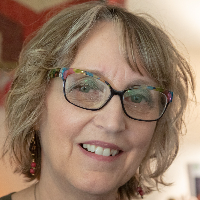
About Cynthia
Cynthia Odell is a licensed marriage and family therapist with ten years of clinical work. She focuses on helping people who feel stuck, overwhelmed, or unsure about what comes next. Her style is direct and steady, aimed at clarifying what matters now and setting practical steps forward.
She begins sessions by listening to where a person is today. Cynthia helps identify patterns that cause stress, anxiety, relationship strain, or trouble with self-worth.
Background and approach
Then she and the client map out realistic goals and small steps to move toward change. Her approach blends attention to personal history with concrete problem solving. She uses Attachment-Based and Client-Centered ideas to understand how relationships shape choices.
Narrative and Solution-Focused tools help people reframe old stories and try new behaviors right away. Cynthia pays close attention to life transitions such as career shifts, parenting strains, separation, grief, or recovery from trauma and addiction. She also addresses issues like ADHD, impulse control, body image, and codependency by breaking problems into manageable pieces.
Sessions aim to be collaborative and practical. Cynthia offers guidance, strategies, and a clear plan so clients can test changes between meetings. Her goal is to help each person find direction, reduce anxiety, and build a path toward the life they want.
Approach-driven online therapy that fits your life
Attachment-Based Therapy looks at how early and ongoing relationships shape current feelings and reactions. It helps when anxiety, fear of abandonment, or trouble trusting others keeps you stuck. Client-Centered Therapy focuses on the person in front of the therapist and offers a supportive, nonjudgmental space to talk through what matters. It can help with self esteem, identity questions, and making decisions that feel right.Finding the right approach is part of the work. Cynthia collaborates with each person to identify which ideas to try first, then adjusts the plan as goals and preferences become clearer. Together they pick methods that match the issue at hand and fit the client's daily life.
Online therapy offers several practical benefits. Video calls allow face-to-face conversation when a longer session is needed. Phone sessions can be a simpler option when bandwidth is limited or when someone prefers not to be on camera. Live chat or text-based messaging can work well for quick check-ins, shorter coaching moments, or keeping momentum between appointments. These options make it easier to fit therapy into a busy schedule and to keep working steadily toward change.
Questions people ask
What concerns does Cynthia commonly address?
What is her therapeutic style?
How much clinical experience does she have?
What are her credentials and location?
Which languages are supported for sessions?
In what formats are sessions offered?
How does billing and cost work?
How do I begin working with her?
What this therapist works with
Most often
- Stress, Anxiety
- Relationship issues
- Family conflicts
Also listed
- Abandonment
- Addictions
- ADHD
- Anger management
- Attachment issues
- Blended family issues
- Body image
- Career difficulties
- Coaching
- Codependency
- Compassion fatigue
- Control issues
- Coping with life changes
- Depression
- Divorce and separation
- Domestic violence
- Eating and food-related issues
- Emptiness
- Family of origin issues
- Family problems
- Forgiveness
- Grief
- Guilt and shame
- Impulsivity
- Intimacy-related issues
- Life purpose
- Midlife crisis
- Mood disorders
- Parenting issues
- Self esteem
- Self-love
- Trauma and abuse
- Women's issues
- Workplace issues
- Young adult issues
Therapeutic approaches
- Experience
- 10 years
- Licensed
- New Jersey, Vermont
- Languages
- English
We will earn a commission if you sign up through our link, at no cost to you.