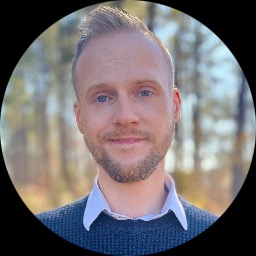
About Curtis
Curtis Graham is a Licensed Professional Counselor (LPC) based in South Carolina who focuses on helping people navigate anxiety, stress, relationship strain, and life transitions. He meets individuals where they are and aims to make therapy practical and understandable for everyday life. Curtis listens first and asks straightforward questions to learn what matters to each person.
He often starts by building a strong working relationship and then looks at patterns that keep problems repeating.
Background and approach
Sessions can include looking at thought patterns, attachment dynamics, and how past hurts affect present choices. He works with a wide range of concerns including trauma and abuse, addictions, depression, bipolar mood concerns, and issues around intimacy and identity. Curtis also supports people dealing with family conflict, communication problems, infidelity, and questions about life purpose.
His style is direct but warm, with room for humor when appropriate. He favors clear, practical steps people can try between sessions alongside deeper reflection on underlying causes. Curtis prioritizes helping people find tools that fit their daily routines.
Clients can expect a collaborative process that balances emotional exploration with concrete strategies. He offers video calls, phone sessions, live chat, and text-based messaging for flexible support. To begin, a short matching questionnaire is used to connect people to the right schedule and plan.
Approaches that guide online sessions
Curtis draws on Attachment-Based Therapy to help people understand how early relationships shape current patterns. This approach looks at connection needs and how to form more stable bonds, which can help with relationship conflict and intimacy concerns.He also uses Cognitive Behavioral Therapy, which focuses on identifying unhelpful thoughts and testing new behaviors. CBT often helps with anxiety, depression, and practical coping skills that people can use between sessions.
Finding the right approach is part of the work together. Curtis discusses goals and preferences during early sessions and adapts methods based on what is most helpful for each person. The process is collaborative and paced to match individual needs.
Online therapy offers flexible ways to connect. Video calls allow face-to-face conversation for deeper emotional work, phone sessions can fit into a lunch break or be easier when bandwidth is limited, and live chat or text messaging work well for brief check-ins, tracking progress, or when someone prefers writing over speaking. These options make it easier to keep therapy consistent around busy lives.
Questions people ask
What concerns does Curtis commonly address?
How would you describe his therapeutic style?
What is his professional background?
Where is Curtis located and licensed?
Which languages are supported and are international clients accepted?
What session formats does he offer?
How much do sessions cost?
How do I get started with therapy?
What this therapist works with
Most often
- Stress, Anxiety
- LGBT
- Relationship issues
Also listed
- Addictions
- Attachment issues
- BDSM, kink, and alternative sex culture
- Bipolar disorder
- Career difficulties
- Co-morbidity
- Commitment issues
- Communication problems
- Compassion fatigue
- Coping with life changes
- Depression
- Dissociation
- Divorce and separation
- Drug and alcohol addiction
- Family conflicts
- Family of origin issues
- Family problems
- Gender dysphoria
- Guilt and shame
- Infidelity
- Intimacy-related issues
- Isolation / loneliness
- Life purpose
- Men's issues
- Multicultural concerns
- Panic disorder and panic attacks
- Polyamory / non-monogamous relationships
- Post-traumatic stress
- Seasonal Affective Disorder (SAD)
- Self esteem
- Self-love
- Sexuality
- Social anxiety and phobia
- Trauma and abuse
- Veteran and Armed Forces Issues
- Young adult issues
Therapeutic approaches
- Experience
- 3 years
- Licensed
- South Carolina
- Languages
- English
We will earn a commission if you sign up through our link, at no cost to you.