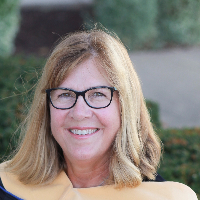
About Cindy
Dr. Cindy Cook is a Licensed Clinical Social Worker (LCSW) with 23 years of experience helping people cope with stress and anxiety. She offers a calm, respectful presence and meets clients where they are.
Her manner is warm and interactive, aimed at making hard conversations feel manageable for someone reading on a phone. She focuses on common problems like depression, anger, grief, and relationship or intimacy concerns. She also addresses ADHD, addictions, and issues related to trauma and abuse.
Background and approach
Additional areas include parenting strain, caregiver stress, blended family challenges, and feelings of emptiness or isolation. Her approach draws on client-centered listening, cognitive behavioral ideas, and emotionally-focused work. Sessions include practical steps to change unhelpful thoughts and behaviors alongside space to process feelings and relationship patterns.
Narrative and solution-focused tools are used when helpful to reframe stories and set clear goals. Dr. Cook tailors each conversation and plan to the person in front of her.
She explains options in plain language and works collaboratively to pick strategies that fit daily life. Many people appreciate clear, step-by-step suggestions paired with time to talk through emotions. She practices in Illinois and holds an Illinois LCSW.
Sessions are offered in English and are available through video calls, phone, live chat, or text-based messaging. To begin, a short questionnaire helps match preferences and scheduling.
How Dr. Cook’s Approaches Work Online
Dr. Cook uses client-centered therapy to focus conversations on what matters most to the person she is meeting. This means sessions begin with the client’s priorities and build practical plans from there. Cognitive Behavioral Therapy, or CBT, is also part of her work and focuses on changing unhelpful thoughts and behaviors with clear exercises and skills that can be practiced between sessions.Finding the right approach is a collaborative process. She will discuss options and try methods that match the client’s goals and preferences. Together they set short-term goals and adjust techniques over time so therapy feels useful and relevant to everyday life.
Online sessions are offered by video calls, phone, live chat, or text-based messaging to make therapy fit a busy schedule. Video is useful for longer talks and seeing facial cues, phone works when bandwidth is limited, live chat can be a quicker check-in, and text messaging allows shorter check-ins and written reflection. These options help people keep continuity of care and pick what works practically for their routine.
Questions people ask
What concerns does she address?
What is her therapeutic style like?
How much experience does she have?
What are her credentials and where is she based?
In which languages are sessions offered?
Which session formats are available?
How are costs handled?
What do I do to get started?
What this therapist works with
Most often
- Stress, Anxiety
- Trauma and abuse
- Anger management
Also listed
- Addictions
- ADHD
- Autism and Asperger Syndrome
- Bipolar disorder
- Blended family issues
- Caregiver issues and stress
- Communication problems
- Control issues
- Depression
- Divorce and separation
- Domestic violence
- Emptiness
- Family conflicts
- Family problems
- Fertility issues
- Grief
- Guilt and shame
- Hospice and end-of-life counseling
- Impulsivity
- Intimacy-related issues
- Isolation / loneliness
- LGBT
- Midlife crisis
- Narcissism
- Obsessions, compulsions, and OCD
- Parenting issues
- Relationship issues
- Self esteem
- Self-harm
- Social anxiety and phobia
- Workplace issues
- Young adult issues
Therapeutic approaches
- Experience
- 23 years
- Licensed
- Illinois
- Languages
- English
We will earn a commission if you sign up through our link, at no cost to you.