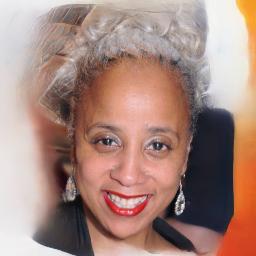
About Cheryl
Cheryl Marrow is a licensed counselor and marriage and family therapist who helps people facing anxiety, stress, relationship problems, and addiction concerns. She draws on 25 years of experience to offer steady, practical support during big life changes. Cheryl speaks plainly and focuses on what people can do next, not just what went wrong.
Cheryl uses straightforward conversation to clarify the problem and set realistic goals. She listens for how past patterns affect current choices and helps people try different ways of responding.
Background and approach
Sessions emphasize skills you can use between meetings, like communication techniques and emotion regulation tools. She blends several well-known approaches to match each person’s needs. That can mean working on thoughts and behaviors that keep anxiety going, practicing new relationship habits, or building stronger emotion regulation.
Cheryl adapts methods to fit how someone prefers to work, whether they want practical exercises or deeper conversations. Over her career she has focused on relationship struggles, family issues, intimacy concerns, and substance use challenges. She also helps people facing midlife transition, questions about life purpose, and the fallout from infidelity or divorce.
Veterans and people with family-of-origin wounds are also part of her experience. Cheryl holds LPC (Licensed Professional Counselor) and LMFT (Licensed Marriage and Family Therapist) credentials in the District of Columbia. She offers sessions in English and accepts international clients, with multiple online formats available.
How Cheryl’s Approaches Work Online
Client-Centered Therapy focuses on understanding each person’s experience and building a collaborative relationship. It helps people feel heard and decide what change they want to make. Cognitive Behavioral Therapy (CBT) addresses the thoughts and behaviors that keep anxiety and stress active, offering practical skills to shift unhelpful patterns. Dialectical Behavior Therapy (DBT) teaches emotion regulation, distress tolerance, and interpersonal effectiveness skills that help manage strong feelings and reduce reactive behavior.Choosing the right approach is part of the therapy process. Cheryl will discuss goals, try methods that fit the person’s style, and adjust the plan as needed. That collaborative process helps match tools to what actually helps in day-to-day life.
Online formats include video calls, phone sessions, live chat, and text-based messaging. Video sessions let therapists observe body language and hold real-time conversations. Phone calls can be easier when bandwidth is low or a quick check-in is needed. Live chat and text messaging work well for brief updates, homework review, or when someone prefers written communication. These options make therapy more flexible and easier to fit into a busy schedule.
Questions people ask
What concerns does Cheryl address?
How would you describe her therapy style?
How much experience does she bring?
What credentials and location are listed?
Which languages are available for sessions?
What session formats are available?
How much do sessions cost?
How do I begin working with her?
What this therapist works with
Most often
- Addictions
- Relationship issues
- Family conflicts
Also listed
- Abandonment
- Anger management
- Blended family issues
- Codependency
- Commitment issues
- Communication problems
- Control issues
- Coping with life changes
- Divorce and separation
- Drug and alcohol addiction
- Family of origin issues
- Family problems
- Forgiveness
- Infidelity
- Intimacy-related issues
- Life purpose
- Midlife crisis
- Multicultural concerns
- Obsessions, compulsions, and OCD
- Prejudice and discrimination
- Self esteem
- Self-love
- Stress, Anxiety
- Traumatic brain injury
- Veteran and Armed Forces Issues
- Women's issues
- Workplace issues
Therapeutic approaches
- Experience
- 25 years
- Licensed
- District of Columbia
- Languages
- English
We will earn a commission if you sign up through our link, at no cost to you.