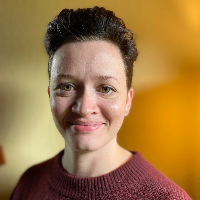
About Catherine
Catherine Chapman is a Licensed Clinical Social Worker who helps people manage stress, anxiety, depression, grief, and trauma-related concerns. She also supports those facing caregiver strain, addiction struggles, compassion fatigue, and life changes like divorce or career shifts. Her approach is practical and straightforward, aimed at giving people clear tools to cope and move forward.
Catherine draws on Cognitive Behavioral Therapy to help people notice unhelpful thoughts and try different behaviors.
Background and approach
She uses Eye Movement Desensitization and Reprocessing when trauma memories are getting in the way of daily life. Mindfulness and solution-focused techniques are mixed in to build calm and identify next steps people can take right away. Her background includes years working in hospital and medical settings where she helped patients and families find resources and manage difficult health situations.
That experience shaped her awareness of how grief, anger, and anxiety show up during medical crises and when people care for a sick loved one. She applies that practical perspective to other stressful situations as well. Catherine works with each person as the expert on their life.
Sessions focus on identifying strengths, setting manageable goals, and practicing tools between meetings. She aims to be a steady, nonjudgmental presence while helping people learn skills that fit their day-to-day needs. She holds a Master of Social Work and practices in Oklahoma as an LCSW.
Her style is collaborative, solution-minded, and grounded in real-world experience supporting people through hard times.
How therapeutic approaches work in online sessions
CBT helps people break down troubling thoughts and test new behaviors. Online CBT sessions often focus on simple exercises and homework people can try between meetings to reduce anxiety and improve mood.EMDR is a trauma-focused method that works with distressing memories so they feel less disruptive. In an online format the therapist guides paced processing and grounding tools while the person stays in their own space.
Finding the right approach is part of the work. The therapist will collaborate with each person to match methods to their goals, needs, and preferences. That means trying a few techniques and adjusting based on what helps most.
Online therapy offers flexibility through video calls, phone sessions, live chat, and text-based messaging. Video allows face-to-face conversation and shared worksheets, phone can be easier when bandwidth is limited, live chat supports quick check-ins, and messaging is useful for short updates or coaching between sessions. These options make it simpler to fit sessions into busy schedules and to keep momentum between meetings.
Questions people ask
What kinds of concerns are addressed?
How would she approach therapy?
What is her professional background?
Where is she licensed and based?
Which languages are used in sessions?
Can people outside the U.S. work with her?
What session formats does she offer?
How are fees and getting started handled?
What this therapist works with
Also listed
- Addictions
- Bipolar disorder
- Career difficulties
- Caregiver issues and stress
- Coaching
- Coping with life changes
- Divorce and separation
- Eating disorders
- First responder issues
- Grief
- Hospice and end-of-life counseling
- LGBT
- Parenting issues
- Post-traumatic stress
- Self esteem
- Trauma and abuse
- Veteran and Armed Forces Issues
Therapeutic approaches
- Experience
- 4 years
- Licensed
- Oklahoma, Oregon, North Dakota, Maine, Washington
- Languages
- English
We will earn a commission if you sign up through our link, at no cost to you.