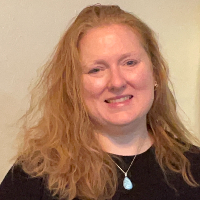
About Catherine
Catherine Barbour is a Licensed Clinical Social Worker (LCSW) based in Florida who focuses on anxiety and related challenges. She brings a practical, down-to-earth style to sessions and aims to help people manage stress, mood concerns, and life transitions. She uses approaches that help people solve problems and make small, useful changes.
Catherine draws on Cognitive Behavioral Therapy to identify patterns of thought and behavior that make anxiety and depression worse.
Background and approach
She also uses Solution-Focused and Client-Centered techniques to build on strengths and set realistic goals. Her background includes work in outdoor therapeutic programs, in-home counseling, and hospital social work. Those roles gave her experience with grief, trauma, substance concerns, chronic illness, and family communication.
She has four years of clinical experience since earning her social work credentials. In sessions she emphasizes clear steps and practical skills. People can expect to talk through what is happening now, try strategies for coping, and agree on small goals to practice between sessions.
She pays attention to how health conditions, caregiving, and family roles affect mood and stress. Catherine works with a wide range of concerns including panic attacks, bipolar mood issues, ADHD, anger, and addiction-related problems. She also supports those facing caregiver strain, blended family challenges, and end-of-life matters.
Her training is listed as LCSW, which stands for Licensed Clinical Social Worker. Sessions are offered in English and are arranged through the site’s scheduling process.
Approaches that translate to online care
Cognitive Behavioral Therapy focuses on identifying unhelpful thoughts and testing new behaviors. It is commonly used for anxiety, panic, and mood issues and gives clients concrete skills to reduce symptoms and improve day-to-day functioning.Client-Centered Therapy emphasizes the person’s own goals and strengths. The therapist listens, reflects, and supports people as they decide what changes to try and which values to follow.
Finding the right approach is part of the work. Catherine will collaborate with each person to choose methods that match their goals, needs, and preferences. That might mean trying skill-based CBT exercises, brief solution-focused steps, or trauma-informed strategies depending on the concern.
Online formats make it easier to fit care into a busy life. Video calls allow face-to-face conversation when visual cues help. Phone sessions use less bandwidth and can work well for shorter check-ins. Live chat and text-based messaging let people check in between sessions or use written reflection when typing feels more comfortable. These options support continuity and flexibility while working toward relief from anxiety and related issues.
Questions people ask
What kinds of problems does she help with?
What is her general therapy style?
What experience does she bring to sessions?
Where is she licensed and located?
Which languages are supported for sessions?
What session formats are available?
How are sessions paid for and what does it cost?
How do I begin working with her?
What this therapist works with
Most often
- Stress, Anxiety
- Family conflicts
- Anger management
Also listed
- Addictions
- ADHD
- Bipolar disorder
- Blended family issues
- Caregiver issues and stress
- Chronic pain, illness, and disability
- Communication problems
- Compassion fatigue
- Coping with life changes
- Coping with natural or human-caused disaster
- Depression
- Emptiness
- Family problems
- Forgiveness
- Grief
- Guilt and shame
- Hospice and end-of-life counseling
- Isolation / loneliness
- Life purpose
- Mood disorders
- Panic disorder and panic attacks
- Parenting issues
- Self esteem
- Self-love
- Social anxiety and phobia
- Trauma and abuse
- Young adult issues
Therapeutic approaches
- Experience
- 4 years
- Licensed
- Florida
- Languages
- English
We will earn a commission if you sign up through our link, at no cost to you.