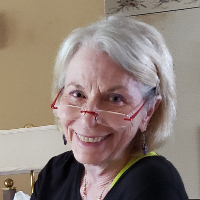
About Carrie
Dr. Carrie Willey is a licensed counselor with 36 years of clinical experience. She practices from Texas and brings a long history of working with addictions, trauma, eating concerns, mood problems, and anxiety.
She prefers active, task-oriented sessions that help people make concrete changes in their daily lives. Early in her career she worked at residential treatment programs focused on addiction and eating disorders. She led workshops addressing survivor issues and used structured processes to help people move past traumatic experiences.
Background and approach
She also provided assessment and treatment in tribal settings through Indian Health Services, gaining experience with culturally diverse communities. Her approach blends practical skills and body-focused work. She commonly uses Cognitive Behavioral Therapy and Dialectical Behavior Therapy tools to change unhelpful thoughts and behaviors.
She also incorporates Somatic Experiencing methods to help people notice and work with physical responses to stress and trauma. Sessions often include concrete homework and skill practice between meetings. She looks for strengths to build on and helps people interrupt patterns that cause harm.
Her style is direct but respectful, aiming to help people return to functioning and feel more capable in day-to-day life. Outside of clinical work she is an avid cyclist and values a spiritual view of life. That perspective informs her belief in growth and resilience.
People who want clear strategies, honest feedback, and a focus on real-world change may find her approach helpful.
Practical approaches for online therapy and skills work
Dr. Willey often uses Cognitive Behavioral Therapy and Somatic methods in online sessions. Cognitive Behavioral Therapy looks at the link between thoughts, feelings, and actions and teaches concrete tools to test and change unhelpful thinking. Somatic approaches focus on noticing bodily sensations and gentle body-based techniques to reduce the intensity of stress responses, which can be helpful for trauma or anxiety.She also uses Dialectical Behavior Therapy skills to teach emotion regulation, distress tolerance, and interpersonal effectiveness. The therapist collaborates with each person to decide which combination of methods fits their goals and comfort level, and she adjusts the plan as progress is made.
Online formats include video calls, phone sessions, live chat, and text-based messaging. Video is useful for full sessions and skills demonstrations. Phone sessions can be easier when bandwidth is limited or for brief check-ins. Live chat and text messaging work well for quick skill coaching, progress updates, or shorter check-ins between appointments. These options make it easier to fit therapy around work, caregiving, and daily life while keeping a focus on practical skills and recovery.
Questions people ask
What concerns does she help with?
What is her therapy style like?
How long has she been practicing?
What credentials and location are listed?
Which languages are supported?
What session formats are available?
How are costs handled?
How do I begin working together?
What this therapist works with
Most often
Also listed
- Abandonment
- Aging and geriatric issues
- Anger management
- Body image
- Career difficulties
- Caregiver issues and stress
- Codependency
- Communication problems
- Depression
- Dissociation
- Domestic violence
- Drug and alcohol addiction
- Eating and food-related issues
- Eating disorders
- Family conflicts
- Family of origin issues
- Forgiveness
- Guilt and shame
- Intimacy-related issues
- Midlife crisis
- Mood disorders
- Panic disorder and panic attacks
- Post-traumatic stress
- Process addiction (porn, exercise, gambling)
- Relationship issues
- Self esteem
- Sexual assault and abuse
- Social anxiety and phobia
- Stress, Anxiety
- Women's issues
- Workplace issues
Therapeutic approaches
- Experience
- 36 years
- Licensed
- Texas, New Mexico
- Languages
- English
We will earn a commission if you sign up through our link, at no cost to you.