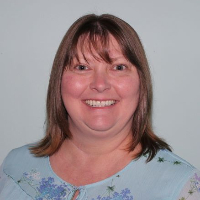
About Carol
Carol Tallant is a licensed mental health counselor and licensed professional counselor who helps people who feel overwhelmed by anxiety and stress. She supports people coping with trauma, grief, mood problems, relationship pain, and issues around sexuality and identity. Carol speaks plainly and works to make the first steps feel manageable for someone who is worried and tired.
Carol draws on 15 years of clinical experience to guide sessions. She uses client-centered methods to follow what matters most to each person.
Background and approach
She also integrates cognitive behavioral ideas to help change unhelpful thinking and dialectical behavior work to teach emotion regulation and coping skills. In sessions she listens for the ways past harm shows up today - flashbacks, intense startle reactions, or emotional shutdown. She helps people name those patterns and try new responses.
She also addresses abandonment, attachment, and family of origin problems in straightforward terms so people can make different choices in their relationships. Practical tools and short-term strategies are mixed with deeper work on meaning, values, and identity. Hypnotherapy and existential approaches may be used when appropriate to support self-exploration and working through painful memories.
Carol aims to help people move from surviving to living with more ease and purpose. People can expect a calm, direct style focused on clear goals and skills they can use between sessions. Carol practices in Georgia and offers online options for those who prefer remote care.
Therapeutic approaches for online care and skills building
Client-Centered Therapy focuses on listening and following what matters most to the person. It helps people feel heard, explore identity, and decide what changes matter to them. Cognitive Behavioral Therapy, or CBT, looks at how thoughts and behaviors keep anxiety and low mood going and offers practical exercises to change those patterns. Dialectical Behavior Therapy, or DBT, teaches emotion regulation, distress tolerance, and interpersonal skills to manage intense feelings and reduce reactivity.Finding the right fit is part of the work. The therapist will talk with the person about their goals, try approaches that match those goals, and adjust methods over time. This is a collaborative process where preferences and life demands shape the plan.
Online therapy is offered through video calls, phone sessions, live chat, and text-based messaging to provide flexibility. Video calls let people work face-to-face when they want that connection. Phone sessions can be easier when bandwidth is limited or when someone prefers not to be on camera. Live chat and text messaging make it possible to have shorter check-ins or ongoing support during busy weeks. These options help people fit therapy into work, caregiving, and daily life while continuing the same therapeutic methods used in person.
Questions people ask
What concerns does Carol commonly address?
How would you describe her therapeutic style?
What kind of experience does she bring?
What credentials and location are listed?
Which languages are offered and are international clients supported?
What formats are available for sessions?
How is cost handled for sessions?
What are the first steps to begin working together?
What this therapist works with
Most often
Also listed
- Abandonment
- Addictions
- Anger management
- Attachment issues
- Career difficulties
- Codependency
- Communication problems
- Compassion fatigue
- Coping with life changes
- Depression
- Dissociation
- Family conflicts
- Family of origin issues
- Family problems
- Grief
- Guilt and shame
- Intimacy-related issues
- Life purpose
- Mood disorders
- Parenting issues
- Post-traumatic stress
- Relationship issues
- Self esteem
- Self-harm
- Sexual assault and abuse
- Sexuality
- Women's issues
Therapeutic approaches
- Experience
- 15 years
- Licensed
- Georgia, Florida
- Languages
- English
We will earn a commission if you sign up through our link, at no cost to you.