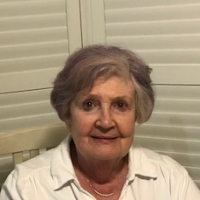
About Carol
Dr. Carol Jannik uses a straightforward, person-focused approach to help people manage stress and anxiety. She is an LPC with 35 years of experience and speaks plainly about options so parents can decide what feels right.
She aims to make therapy easy to understand and practical for daily life. She began work in schools and community agencies and later ran a independent practice for over 20 years. Her background also includes hospital work in departments such as obstetrics, pain management, grief and loss, emergency care, and both inpatient and outpatient programs.
Background and approach
That range means she has seen problems that show up in many settings. She collaborates with psychiatrists on medication questions and understands how medical and mental health issues can overlap. She has worked with depression, anxiety, bipolar disorder, psychosis, addictions, trauma, and a variety of adjustment concerns.
She has also supported people dealing with family changes, adoption issues, learning and educational challenges, and foster care situations. Dr. Jannik holds a Ph.D. in Counseling Psychology and is licensed as an LPC in Louisiana.
She is a certified trauma counselor, a certified telehealth professional, and is designated to supervise counselors in training. These roles reflect long experience rather than a single technique. Her style is flexible and tailored to each person.
She commonly uses cognitive behavioral ideas along with client-centered and narrative elements. If a different resource would be a better fit, she will suggest an appropriate referral.
Therapeutic approaches adapted for online care
Client-centered therapy focuses on listening and responding to each person's priorities. The therapist follows your lead, clarifies what matters to you, and helps you find practical steps to feel better. Cognitive Behavioral Therapy, or CBT, looks at the links between thoughts, feelings, and actions and teaches skills to manage anxiety, panic, and low mood through short exercises and real-life practice.Finding the right approach is part of the work together. The therapist will talk with you about your goals and preferences and then suggest ways to combine methods that match your needs. That collaborative process means adjustments can be made if something does not fit.
Online sessions are offered by video calls, phone sessions, live chat, and text-based messaging to increase flexibility. Video calls let you meet face to face when a conversation benefits from visual cues. Phone sessions need less bandwidth and can work well during a break from work. Live chat and text-based messaging allow for shorter check-ins and ongoing support between longer sessions. These options help people fit therapy into busy lives and make it easier to continue regular care.
Questions people ask
What kinds of concerns does she address?
What is her style of therapy like?
How much experience does she bring?
What credentials and location apply?
Which languages are supported and are international clients taken?
What session formats are available?
How does cost work for sessions?
How do I begin working with her?
What this therapist works with
Most often
- Stress, Anxiety
- Relationship issues
- Family conflicts
Also listed
Therapeutic approaches
- Experience
- 35 years
- Licensed
- Louisiana
- Languages
- English
We will earn a commission if you sign up through our link, at no cost to you.