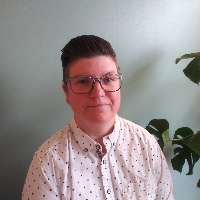
About Carissa
Carissa Streich is a licensed independent clinical social worker (LICSW) based in Washington. She brings nine years of clinical experience and a straightforward, warm style to sessions. Carissa focuses on anxiety among many common concerns and aims to help people feel heard and understood from the first visit.
Carissa uses a mix of practical strategies and conversational exploration. She often draws on cognitive behavioral techniques to address unhelpful thoughts and behaviors.
Background and approach
She also uses client-centered principles to keep the conversation grounded in each person's values and needs. Sessions are collaborative and paced to fit the person sitting across from her. Carissa can be direct when needed, while staying respectful and compassionate.
She works with people facing depression, stress, trauma or abuse, relationship and family problems, grief, and challenges like addiction or eating concerns. Her background includes nine years of varied work in clinical settings helping people handle life transitions, workplace strain, first responder or veteran-related stress, and complicated relationship structures such as polyamory and blended family issues.
She supports people coping with self-harm thoughts, sexual assault and abuse, and compassion fatigue among caregivers. Carissa tailors goals and treatment pace to each person. She combines problem-solving tools with attention to past patterns to create practical, day-to-day steps.
If someone is ready to begin, she guides them through a clear process to get started.
How therapeutic approaches translate to online care
Client-Centered Therapy focuses on listening and building a respectful, empathetic relationship. It helps people clarify what matters to them and make decisions that fit their values. Cognitive Behavioral Therapy, or CBT, looks at the link between thoughts, feelings, and behaviors and uses practical exercises to reduce anxiety and change coping habits.Finding the right approach is part of the work. The therapist will talk with each person about goals, preferences, and what has helped or not helped before. Together they decide whether to emphasize skill building, deeper exploration of past patterns, or a combination of both so the plan fits the person's life.
Online therapy offers flexible ways to connect, including video calls, phone sessions, live chat, and text-based messaging. Video lets people use visual cues for a fuller conversation. Phone sessions can work when bandwidth is low or when being on camera is difficult. Live chat and text are useful for brief check-ins, homework support, or when a shorter, written exchange fits a busy day. These options make it easier to fit sessions around work, school, or caregiving responsibilities and let people try different formats to see what works best.
Questions people ask
What kinds of concerns does Carissa address?
How would you describe her therapy style?
What is her clinical background?
What are her credentials and where is she located?
Which languages are offered for sessions?
Can she work with international clients?
What session formats are available?
How does the cost and scheduling work?
What this therapist works with
Most often
Also listed
- Addictions
- Anger management
- Bipolar disorder
- Blended family issues
- Career difficulties
- Compassion fatigue
- Coping with life changes
- Depression
- Divorce and separation
- Eating disorders
- Family conflicts
- Family problems
- First responder issues
- Forgiveness
- Grief
- Polyamory / non-monogamous relationships
- Relationship issues
- Self esteem
- Self-harm
- Sexual assault and abuse
- Sexuality
- Veteran and Armed Forces Issues
- Workplace issues
- Young adult issues
Therapeutic approaches
- Experience
- 9 years
- Licensed
- Washington
- Languages
- English
We will earn a commission if you sign up through our link, at no cost to you.