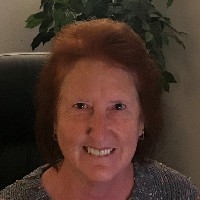
About Belinda
Belinda Edwards is a licensed professional counselor with 12 years of experience. She practices in Louisiana and focuses on stress, anxiety, addiction, trauma, grief, and mood concerns. Belinda brings a direct, compassionate style to sessions and aims to help people find practical ways to feel more stable day to day.
She has worked in community, corrections, and military settings. Early in her career she helped set up a family counseling program within an inpatient substance use treatment facility and later ran an outpatient clinic for mental health and substance abuse.
Background and approach
That background gives her familiarity with addiction and the systems that surround recovery. Belinda uses several approaches to guide sessions, including cognitive behavioral techniques to challenge unhelpful thinking and EMDR for processing traumatic memories. She also uses motivational interviewing and solution-focused methods to set clear goals and build on strengths.
She has spent recent years addressing issues related to military service and deployments, supporting service members and military families with stress, trauma, and reintegration concerns. She is also comfortable addressing faith and spirituality and will work with clients who want to include Christian perspectives in their therapy. Belinda describes counseling as a calling and aims to meet people where they are.
Her sessions tend to be practical and collaborative, focusing on steps a person can take between meetings to move toward clearer coping and calmer days.
Approaches that guide online sessions
Belinda uses Cognitive Behavioral Therapy to identify unhelpful thinking and to build clearer coping skills; CBT helps with anxiety, depression, panic, and everyday stress by focusing on what to change in thought and behavior. She also uses EMDR to help people process traumatic memories and the emotions tied to them, which can reduce the hold those memories have on day-to-day life. Motivational Interviewing is part of her toolkit when people are working through ambivalence about change, such as with substance use or lifestyle shifts.Choosing the right approach is a collaborative process. The therapist will talk with each person about their goals, history, and preferences and then suggest methods to try. It is common to combine techniques so sessions fit the person and adjust over time based on what helps most.
Online therapy offers several practical benefits. Video calls allow for real-time, face-to-face interaction when eye contact and visual cues are helpful. Phone sessions work well when bandwidth is limited or when someone prefers not to be on camera. Live chat and text-based messaging are useful for brief check-ins, prompts between sessions, and flexible conversation when schedules are tight. These options make it easier to keep therapy consistent around work, caregiving, or other obligations.
Questions people ask
What concerns does Belinda help with?
What is her therapeutic style like?
How long has she been practicing?
Where is she licensed and located?
Can I have sessions in other languages or from other countries?
What formats are available for sessions?
How is cost handled?
How do I get started with her?
What this therapist works with
Also listed
- Abandonment
- Anger management
- Attachment issues
- Career difficulties
- Codependency
- Communication problems
- Compassion fatigue
- Coping with life changes
- Coping with natural or human-caused disaster
- Depression
- Drug and alcohol addiction
- Family conflicts
- First responder issues
- Grief
- Guilt and shame
- Hospice and end-of-life counseling
- Intimacy-related issues
- Isolation / loneliness
- Life purpose
- Mood disorders
- Panic disorder and panic attacks
- Post-traumatic stress
- Relationship issues
- Self esteem
- Social anxiety and phobia
- Somatization
- Veteran and Armed Forces Issues
Therapeutic approaches
- Experience
- 12 years
- Licensed
- Louisiana
- Languages
- English
We will earn a commission if you sign up through our link, at no cost to you.