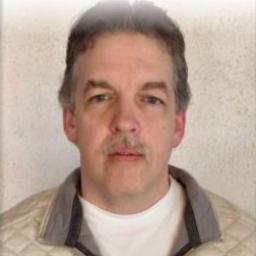
About Anthony
Dr. Anthony Shay is a Licensed Professional Counselor who practices in Wisconsin. He holds a Doctorate in Education and a master's degree in Professional Counseling from Saint Mary’s University of Minnesota.
He has three years of clinical experience and focuses on anxiety among other concerns. He aims for clear, practical conversations that parents can follow. Sessions often focus on specific skills for managing stress and anxious thoughts.
He also addresses mood changes, trauma, anger, and relationship strain in direct, real-world terms.
Background and approach
Anthony uses a mix of approaches so therapy can match each person's needs. He draws from acceptance-based methods, cognitive tools, and emotion-focused work to help people change unhelpful patterns. Therapy can include learning new coping skills, practicing different responses, and reviewing progress together.
He also brings attention to life transitions, chronic health issues, and substance-related concerns when they affect daily functioning. Work can target isolation, grief, shame, impulsivity, and communication problems tied to those situations. The goal is to make small, sustainable changes that improve day-to-day life.
Sessions may include discussion, skill practice, and planning for tough moments. Dr. Shay blends listening with concrete strategies so people leave with something to try.
He aims to make therapy straightforward and useful for people under stress.
Approach-based care through online sessions
Acceptance and Commitment Therapy, or ACT, helps people notice difficult thoughts and feelings without getting stuck. It focuses on values and small actions that move life in the direction someone cares about and can be useful for anxiety and stress. Cognitive Behavioral Therapy, CBT, looks at the links between thoughts, feelings, and behaviors and teaches practical skills to change unhelpful patterns; it often helps with worry, depression, and coping routines. Attachment-Based Therapy explores patterns in close relationships and how early connections shape current responses, which can help with intimacy, trust, and communication struggles.Finding the right mix of approaches is part of the work. The therapist will talk with each person about goals, preferences, and what feels most helpful. Together they will try methods that fit the problem at hand and adjust over time based on what works.
Online sessions are offered as video calls, phone sessions, live chat, or text-based messaging. Video calls let people use visual cues and longer conversations. Phone sessions use less bandwidth and can fit a tight schedule. Live chat or messaging are useful for brief check-ins, homework discussion, or ongoing support between longer sessions. These options make therapy more flexible and easier to fit into busy lives.
Questions people ask
What concerns does this therapist address?
What is his general therapy style?
How much clinical experience does he have?
What credentials and location are listed for this therapist?
Which languages are available for sessions?
What formats are offered for sessions?
How is billing and cost handled?
How do I begin working with this therapist?
What this therapist works with
Most often
- Stress, Anxiety
- Trauma and abuse
- Anger management
Also listed
- Addictions
- ADHD
- Aging and geriatric issues
- Bipolar disorder
- Career difficulties
- Chronic pain, illness, and disability
- Co-morbidity
- Communication problems
- Compassion fatigue
- Control issues
- Coping with life changes
- Depression
- Dissociation
- Divorce and separation
- Domestic violence
- Drug and alcohol addiction
- Emptiness
- Family conflicts
- Forgiveness
- Grief
- Guilt and shame
- Impulsivity
- Infidelity
- Intimacy-related issues
- Isolation / loneliness
- Life purpose
- Men's issues
- Mood disorders
- Panic disorder and panic attacks
- Parenting issues
- Post-traumatic stress
- Process addiction (porn, exercise, gambling)
- Relationship issues
- Seasonal Affective Disorder (SAD)
- Self esteem
- Sex addiction
- Social anxiety and phobia
- Somatization
- Workplace issues
Therapeutic approaches
- Acceptance and Commitment Therapy (ACT)
- Attachment-Based Therapy
- Client-Centered Therapy
- Cognitive Behavioral Therapy (CBT)
- Dialectical Behavior Therapy (DBT)
- Emotionally-Focused Therapy (EFT)
- Eye Movement Desensitization and Reprocessing (EMDR)
- Gottman Method
- Mindfulness Therapy
- Motivational Interviewing
- Solution-Focused Therapy
- Somatic Therapy
- Trauma-Focused Therapy
- Experience
- 3 years
- Licensed
- Wisconsin
- Languages
- English
We will earn a commission if you sign up through our link, at no cost to you.