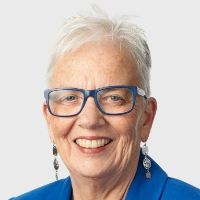
About Anne
Anne Combs is a licensed professional clinical counselor with 40 years in behavioral health. She works with people who are feeling overwhelmed by stress, anxiety, grief, career trouble, relationship strain, or the long reach of past trauma. Her approach is practical and solution-oriented.
She aims to help people find relief from day-to-day struggles and return to living well. Anne spent much of her career as a therapist, clinical supervisor, and administrator in a range of behavioral health settings.
Background and approach
She earned her graduate degree in West Virginia and is licensed in Ohio. After decades in leadership, she has returned to direct clinical work to focus on hands-on support for clients. In sessions she focuses on the present while acknowledging how past events matter.
She helps people identify the immediate impacts of trauma and then build ways to manage those effects so life can feel better. She also supports those facing career challenges, using experience from executive coaching to shape practical problem solving. Her style is warm, friendly, and interactive.
She brings straightforward techniques, a sense of humor, and an emphasis on clearer communication. Anne believes small changes in how people think and act can lead to big improvements in daily life. She uses tools drawn from Cognitive Behavioral Therapy and Solution-Focused approaches, along with client-centered listening and motivational techniques.
These methods are applied to issues like addiction, depression, self-esteem, parenting concerns, and navigating major life transitions.
How Anne's Approaches Work Online
Client-centered therapy starts with listening and responding to what matters most to the person. It helps people feel heard and lets the therapist shape support around the client's priorities. Cognitive Behavioral Therapy, or CBT, looks at how thoughts and behaviors affect feelings and teaches concrete ways to change unhelpful patterns, which is helpful for anxiety, depression, and stress. Mindfulness therapy teaches simple attention skills to reduce reactivity and improve focus, which can help with worry and emotional ups and downs.Finding the right approach is part of the work together. The therapist will check goals, preferences, and what has helped or not helped in the past. Then she will suggest strategies and adjust them based on feedback so the care fits the person's real life and needs.
Online sessions use video calls, phone sessions, live chat, or text-based messaging to make therapy more flexible. Video is useful for a full conversation with visual cues. Phone sessions can fit a quick check-in or be easier when bandwidth is limited. Chat and text are useful for short updates, homework, or when typing feels more comfortable. These options help people fit therapy into busy schedules and different daily rhythms.
Questions people ask
What kinds of problems does she help with?
How would you describe her therapy style?
What is her professional background?
What credentials and location are listed?
Which languages are sessions offered in?
What session formats are available?
How does pricing work?
How do I begin work with this therapist?
What this therapist works with
Also listed
- Addictions
- Aging and geriatric issues
- Attachment issues
- Bipolar disorder
- Blended family issues
- Career difficulties
- Coaching
- Commitment issues
- Communication problems
- Compassion fatigue
- Control issues
- Coping with life changes
- Depression
- Divorce and separation
- Domestic violence
- Family conflicts
- Family of origin issues
- Family problems
- Grief
- Guilt and shame
- Infidelity
- Isolation / loneliness
- LGBT
- Life purpose
- Men's issues
- Midlife crisis
- Mood disorders
- Parenting issues
- Relationship issues
- Seasonal Affective Disorder (SAD)
- Social anxiety and phobia
- Women's issues
- Workplace issues
Therapeutic approaches
- Experience
- 40 years
- Licensed
- Ohio
- Languages
- English
We will earn a commission if you sign up through our link, at no cost to you.