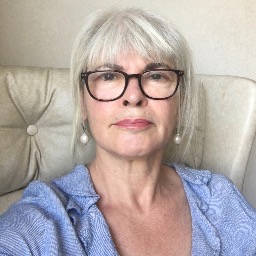
About Anna
Anna Richardson is a counsellor and a registered member of the British Association for Counselling and Psychotherapy (BACP). She draws on five years of practice to help people untangle overwhelming feelings and persistent worries. Anna speaks English and Russian and works with people across a wide range of concerns including anxiety, stress and depression.
She uses psychodynamic ideas to look at how past experiences shape present reactions. That helps people spot repeating patterns that keep them stuck.
Background and approach
She also uses attachment-based work to understand close relationships and the ways they affect emotion and trust. Sessions are straightforward and conversational. Anna aims to create a calm, non-judgemental space where people can talk about painful memories, grief, relationship trouble or struggles with self‑esteem.
She may gently reflect on themes that come up and help clients try different ways of understanding their feelings. Her background includes charity work with Devon Mind and earlier involvement with HCC, London’s oldest mental health charity. She has experience supporting people affected by trauma in personal sector care homes.
People who prefer a thoughtful, exploratory style often find her approach helpful. Anna works collaboratively to set goals and adjust pace, so therapy fits each person’s needs and day-to-day life.
Approaches online and what they address
Attachment-Based Therapy looks at how early relationships shape the way people connect today. It can help with worries about closeness, trust, abandonment and patterns that affect current relationships. Psychodynamic Therapy focuses on how past experiences and unconscious feelings influence current behaviour and mood. This can be useful for anxiety, low mood and repeating life patterns that feel hard to change.Choosing an approach is part of the therapeutic process and is often decided together. The therapist will talk through what feels most relevant, try things out, and adjust methods to match the client's goals and preferences. That collaborative planning helps make sessions feel useful and manageable.
Online formats include video calls, phone sessions, live chat and text-based messaging. Video calls let people use visual cues and longer conversations, while phone sessions can be easier when internet bandwidth is limited or a quieter voice check-in is needed. Live chat and messaging suit shorter check-ins, written reflection or when someone prefers not to be on camera. These options give flexibility to fit therapy into work, family life and busy schedules while keeping the focus on making steady progress.
Questions people ask
What kinds of concerns can be discussed?
What is Anna's therapeutic style like?
How long has she been practising?
What are her credentials and where is she based?
Which languages are supported for sessions?
What session formats are available?
How does cost and payment work?
How do I start working with her?
What this therapist works with
Most often
- Stress, Anxiety
- Relationship issues
- Self esteem
Also listed
- Abandonment
- Addictions
- Anger management
- Attachment issues
- Career difficulties
- Caregiver issues and stress
- Communication problems
- Control issues
- Coping with life changes
- Depression
- Divorce and separation
- Family conflicts
- Forgiveness
- Gender dysphoria
- Grief
- Guilt and shame
- Hoarding
- Immigration issues
- Intimacy-related issues
- Isolation / loneliness
- Jealousy
- LGBT
- Life purpose
- Midlife crisis
- Mood disorders
- Multicultural concerns
- Panic disorder and panic attacks
- Paranoia
- Parenting issues
- Personality disorders
- Phobias
- Prejudice and discrimination
- Process addiction (porn, exercise, gambling)
- Seasonal Affective Disorder (SAD)
- Self-harm
- Self-love
- Sex addiction
- Sexual assault and abuse
- Sexuality
- Social anxiety and phobia
- Trauma and abuse
- Women's issues
Therapeutic approaches
- Experience
- 5 years
- Licensed
- Languages
- English, Russian
We will earn a commission if you sign up through our link, at no cost to you.