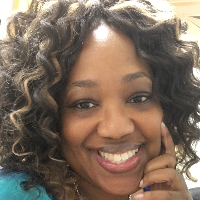
About Angela
Angela Gardner is a Licensed Clinical Social Worker (LCSW) based in North Carolina. She brings nine years of experience as an LCSW and more than two decades of therapeutic work with people across many life stages. She greets clients with a calm presence and straightforward support for everyday struggles like stress and anxiety.
Her approach centers on building a respectful connection first. She aims to make sessions feel safe and nonjudgmental so people can talk about difficult feelings without extra pressure.
Background and approach
Angela encourages honest expression of emotions and works at a steady pace with each person’s comfort level. Therapy sessions use practical tools and conversations. Angela draws on methods that include cognitive behavioral approaches, mindfulness, and acceptance techniques to help people notice unhelpful patterns and try new ways of coping.
She also uses client-centered and emotionally-focused ideas to support stronger emotional awareness and communication. She has particular experience with concerns such as family and parenting stress, grief, trauma and abuse, mood disorders including depression and bipolar, ADHD, and issues related to identity and discrimination. Angela also supports people facing caregiver strain, adoption or foster-care questions, and feelings of isolation or emptiness.
Sessions are offered in English and are available to international clients. Angela works with several online formats so people can choose what fits their life. To begin, clients complete a short matching questionnaire and schedule sessions based on therapist availability.
How therapeutic approaches meet online care
Acceptance and Commitment Therapy helps people notice unhelpful thoughts and choose actions that match their values. It can support those dealing with anxiety, stress, or life changes by focusing on what matters most and taking small steps toward it. Cognitive Behavioral Therapy looks at the links between thoughts, feelings, and behavior and offers practical exercises to change patterns that keep problems going. It is often used for anxiety, mood concerns, and managing difficult daily reactions.Finding the right approach is part of the work together. Angela will talk with each person about their goals and preferences and recommend techniques that fit their situation. That collaboration means methods can shift over time as needs change and progress is made.
Online sessions are available by video call, phone, live chat, and text-based messaging. Video is useful for deeper conversation and visual cues, phone can be easier with lower bandwidth or when hands-free is needed, and chat or text work well for short check-ins or when writing feels more comfortable. These options make it easier to fit therapy into busy days and to keep continuity when life gets in the way.
Questions people ask
What kinds of problems does Angela address?
How would you describe her therapy style?
What is her background and experience?
Where is she licensed and practicing?
Which languages are supported for sessions?
What session formats does she use?
How are sessions priced?
How do I begin working with her?
What this therapist works with
Most often
- Stress, Anxiety
- Family conflicts
- Parenting issues
Also listed
- ADHD
- Adoption and foster care
- Anger management
- Autism and Asperger Syndrome
- Bipolar disorder
- Caregiver issues and stress
- Communication problems
- Compassion fatigue
- Coping with life changes
- Depression
- Emptiness
- Family problems
- Forgiveness
- Grief
- Guilt and shame
- Intellectual disability
- Isolation / loneliness
- LGBT
- Mood disorders
- Paranoia
- Prejudice and discrimination
- Relationship issues
- Self esteem
- Self-love
- Trauma and abuse
- Women's issues
- Young adult issues
Therapeutic approaches
- Experience
- 9 years
- Licensed
- North Carolina
- Languages
- English
We will earn a commission if you sign up through our link, at no cost to you.