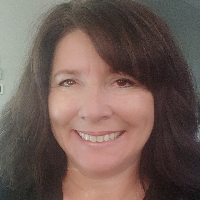
About Angela
Angela "Angie" Lester is a licensed clinical social worker who helps people manage stress and anxiety. She speaks plainly and focuses on practical steps that can be used between sessions. Angie aims to make therapy feel understandable and doable for busy parents and adults juggling many demands.
She draws on seven years of experience in mental health. Angie has supported people with depression, bipolar disorder, mood and personality concerns, panic attacks, and substance use struggles.
Background and approach
She has also worked with clients who have experienced trauma, abuse, and grief. Her style is direct and solutions focused. Sessions are collaborative and tailored to the person in front of her.
Angie emphasizes concrete skills you can practice, along with chances to look at painful patterns that keep coming back. Therapeutic approaches include cognitive behavioral ideas, acceptance and commitment methods, dialectical behavior strategies, mindfulness, and client-centered listening. Those methods are mixed to match each person's needs and goals rather than applying a single technique to everyone.
Angie holds LCSW and CSW credentials in Georgia. She offers sessions in English and provides video calls, phone sessions, live chat, and text-based messaging. Getting started involves a short matching questionnaire and scheduling a session once a match is made.
Therapeutic approaches that translate online
Acceptance and Commitment Therapy (ACT) helps people notice thoughts and feelings without getting stuck in them, then commit to actions that reflect their values; it can be useful for anxiety, stress, and life transitions. Cognitive Behavioral Therapy (CBT) focuses on identifying unhelpful thought patterns and testing new behaviors to reduce symptoms like panic and low mood. Dialectical Behavior Therapy (DBT) teaches concrete skills for emotion regulation, distress tolerance, and clearer communication, which can help with intense mood swings and relationship problems.Choosing the right approach is part of the work. The therapist will talk with each person about their goals and preferences and shape a plan together. That collaborative process helps match methods and skills to the client’s needs rather than using a one-size-fits-all model.
Online formats include video calls, phone sessions, live chat, and text-based messaging to fit different schedules and situations. Video sessions allow face-to-face conversation and skills practice. Phone sessions use less bandwidth and can be easier when video is not practical. Live chat and text messaging are useful for brief check-ins, homework support, and ongoing coaching between sessions. These options make it easier to fit therapy into a busy life while keeping treatment consistent.
Questions people ask
What concerns does Angie commonly address?
What is her therapeutic style like?
How much clinical experience does she have?
What credentials and location are listed?
Which languages are supported and are international clients accepted?
What session formats are available online?
How are costs handled for sessions?
How does someone begin working with her?
What this therapist works with
Also listed
- Abandonment
- Addictions
- ADHD
- Adoption and foster care
- Bipolar disorder
- Career difficulties
- Commitment issues
- Communication problems
- Compassion fatigue
- Control issues
- Coping with life changes
- Depression
- Family conflicts
- Family problems
- First responder issues
- Grief
- Guilt and shame
- Infidelity
- Intimacy-related issues
- Jealousy
- Men's issues
- Mood disorders
- Panic disorder and panic attacks
- Parenting issues
- Personality disorders
- Post-traumatic stress
- Relationship issues
- Sexuality
- Traumatic brain injury
- Veteran and Armed Forces Issues
- Women's issues
Therapeutic approaches
- Experience
- 7 years
- Licensed
- Georgia
- Languages
- English
We will earn a commission if you sign up through our link, at no cost to you.