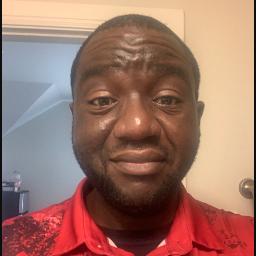
About Andrew
Andrew Oshobu is a licensed clinical social worker who helps people manage stress, anxiety, depression, and the effects of trauma. He focuses on practical steps people can use right away. He aims to create a calm, respectful space where someone can talk things through and begin to feel steadier.
He uses straightforward methods to rebuild self-esteem and cope with life changes. Sessions often include learning skills for managing strong emotions and handling upsetting memories.
Background and approach
He also supports people dealing with abandonment, attachment, and control issues. Andrew pays attention to cultural background and how it shapes experience. He brings a perspective attuned to men's issues, first responder concerns, and navigating multicultural stressors.
That helps him tailor conversations so they feel relevant to each person. He draws from several evidence-based approaches, including cognitive behavioral work and mindful awareness practices. Practical homework and skills practice are common between sessions.
For those processing trauma, he uses techniques meant to reduce the intensity of painful memories. Andrew has three years of clinical experience working with people in Texas. He offers video calls, phone sessions, live chat, and text-based messaging.
Sessions use a subscription that can be canceled at any time and cost varies with location and therapist availability.
How therapy approaches translate to online care
Acceptance and Commitment Therapy, or ACT, focuses on helping people notice thoughts and feelings without getting stuck in them. It teaches values-based action so someone can move toward a life they care about while managing anxiety or depression. Cognitive Behavioral Therapy, CBT, looks at the link between thoughts, feelings, and behaviors and supplies concrete tools to change unhelpful patterns. It’s often used for anxiety, OCD, and low mood. Eye Movement Desensitization and Reprocessing, EMDR, is an approach aimed at reducing the emotional intensity of traumatic memories by working through them in a gradual, structured way.Finding the best approach is part of the work. The therapist will collaborate with each person to choose methods that match their goals and comfort level. That may mean combining techniques, trying a skill-building focus first, or pacing trauma work slowly according to how someone responds.
Online sessions can make it easier to fit therapy into a busy life. Video calls allow face-to-face conversation and visual cues. Phone sessions are useful when bandwidth is limited or for a shorter check-in. Live chat and text-based messaging support brief check-ins, coaching-style guidance, and follow-up between sessions. These options offer flexibility while keeping the focus on practical progress and daily coping.
Questions people ask
What concerns does Andrew address?
How would you describe his style in sessions?
What is his background and clinical experience?
What credentials does he hold and where is he based?
Which languages are sessions offered in?
What session formats are available online?
How is cost handled for sessions?
How do I begin working with him?
What this therapist works with
Also listed
- Abandonment
- Attachment issues
- Communication problems
- Control issues
- Coping with life changes
- Depression
- Divorce and separation
- Eating and food-related issues
- Fatherhood issues
- First responder issues
- Forgiveness
- Guilt and shame
- Jealousy
- Life purpose
- Men's issues
- Multicultural concerns
- Obsessions, compulsions, and OCD
- Panic disorder and panic attacks
- Paranoia
- Phobias
- Post-traumatic stress
- Prejudice and discrimination
- Process addiction (porn, exercise, gambling)
- Self-love
- Social anxiety and phobia
- Workplace issues
Therapeutic approaches
- Experience
- 3 years
- Licensed
- Texas
- Languages
- English
We will earn a commission if you sign up through our link, at no cost to you.