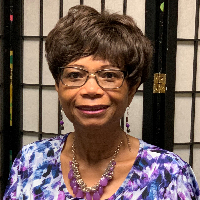
About Amelia
Amelia Williams is a licensed counselor who focuses on helping people cope with stress and anxiety. She writes short, practical plans with each person she meets. Her style is direct and warm, and she aims to make steps feel doable rather than overwhelming.
With 25 years of experience, Amelia helps people sort through worry, relationship strain, and life changes. She also supports those dealing with trauma, depression, panic, addiction, and parenting stress.
Background and approach
Sessions tend to focus on clear skills that can be practiced between meetings. Amelia uses straightforward tools such as cognitive behavioral techniques and solution-focused strategies. She introduces exercises to change unhelpful thoughts and to build small habits that shift daily reactions.
Clients may receive short homework tasks to practice new skills between sessions. When trauma or past hurt is part of the picture, she follows trauma-focused methods to address symptoms and safety. Mindfulness practices are also used to help people calm intense emotions and notice patterns without judgment.
The work mixes present-moment skills with change-focused planning. People who prefer a practical, step-by-step approach often find her helpful. Amelia approaches care with compassion and respect while keeping goals in view.
She is licensed in Kentucky as an LPCC and in Indiana as a Licensed Mental Health Counselor, and she works from Indiana.
How Amelia’s Approaches Work Online
Amelia commonly uses cognitive behavioral therapy to help people notice and change unhelpful thoughts and behaviors. CBT focuses on practical exercises and short experiments that reduce anxiety, panic symptoms, and low mood. Mindfulness therapy is used to teach simple attention and breathing practices that calm strong emotions and reduce reactivity.Choosing the right approach is a collaborative process. Amelia will talk with each person about their needs, goals, and preferences, and together they decide which methods to try first. Adjustments are made over time so the approach fits the individual and the presenting concern.
Online sessions are offered by video calls, phone sessions, live chat, or text-based messaging to make therapy more flexible. Video lets people use visual cues and do longer work, while phone calls can be easier when bandwidth is limited. Live chat and messaging are useful for shorter check-ins, written reflections, or when someone prefers not to be on camera. These options help people fit therapy into busy lives and keep momentum between sessions.
Questions people ask
What concerns does she commonly help with?
What is her general approach in sessions?
How many years has she been practicing?
What credentials and state licensing does she hold?
Which languages are offered for sessions?
What session formats are available online?
How is cost handled for sessions?
What are the first steps to begin working together?
What this therapist works with
Most often
- Stress, Anxiety
- Relationship issues
- Family conflicts
Also listed
- Abandonment
- Addictions
- ADHD
- Anger management
- Caregiver issues and stress
- Compassion fatigue
- Control issues
- Coping with life changes
- Depression
- Divorce and separation
- Domestic violence
- Emptiness
- Guilt and shame
- Intimacy-related issues
- Panic disorder and panic attacks
- Parenting issues
- Post-traumatic stress
- Postpartum depression
- Self esteem
- Social anxiety and phobia
- Trauma and abuse
- Women's issues
- Young adult issues
Therapeutic approaches
- Experience
- 25 years
- Licensed
- Indiana, Kentucky
- Languages
- English
We will earn a commission if you sign up through our link, at no cost to you.