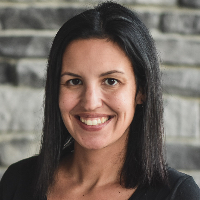
About Amanda
Amanda Shaw is a licensed clinical social worker (LCSW) who focuses on helping people cope with stress and anxiety. She speaks plainly and listens first, so clients can say what matters most. Amanda aims to create a calm space for practical problem solving and steady support.
She has seven years of practice as an LCSW working in outpatient settings after completing graduate school in 2015. Her background includes work with people facing depression, grief, domestic violence recovery, and major life changes.
Background and approach
She also supports those dealing with caregiving strain, chronic illness concerns, and end-of-life issues. In sessions Amanda uses approaches that fit each person. She draws on client-centered methods to focus on the person in front of her.
She often adds cognitive behavioral techniques to identify unhelpful thinking and build new coping skills. Mindfulness and motivational interviewing are additional tools she uses to help people notice patterns and find internal motivation for change. Narrative and solution-focused ideas are used when adjusting life stories and setting small, realistic goals.
Amanda offers video calls, phone sessions, live chat, and text-based messaging for ongoing work. Sessions use a subscription model that can be canceled at any time. To begin, a short matching questionnaire is completed and scheduling is done based on the therapist's availability.
How Amanda Uses Talk, Tools, and Online Sessions
Amanda often uses client-centered therapy to prioritize each person's goals and pace. This approach focuses on listening and reflecting so people can clarify what matters and make choices that feel right for them. Cognitive behavioral therapy, or CBT, is another common tool she uses; it helps identify unhelpful thoughts and practice new behaviors to reduce anxiety and depressive symptoms.Finding the right approach is a collaborative process. Amanda partners with clients to match methods to their needs, goals, and everyday life. She checks in about what is working and adjusts techniques as therapy progresses so the plan stays practical and relevant.
Online formats make ongoing work easier to fit into a busy life. Video calls let people have face-to-face conversations when seeing each other matters. Phone sessions can be helpful when bandwidth or being on camera is a concern. Live chat and text messaging support shorter check-ins, written reflection, or more frequent contact between longer sessions. These options offer flexibility so therapy can continue from the places and moments that work best for the client.
Questions people ask
What concerns does Amanda address?
What is her general therapy style?
What background and experience does she have?
Where is she licensed and located?
Which languages are supported?
What session formats are offered?
How does billing and cost work?
How do I get started with Amanda?
What this therapist works with
Most often
- Stress, Anxiety
- Grief
- Anger management
Also listed
- Addictions
- Aging and geriatric issues
- Bipolar disorder
- Cancer
- Career difficulties
- Caregiver issues and stress
- Communication problems
- Compassion fatigue
- Coping with life changes
- Depression
- Divorce and separation
- Domestic violence
- Family conflicts
- Forgiveness
- Guilt and shame
- Hospice and end-of-life counseling
- Intimacy-related issues
- Isolation / loneliness
- LGBT
- Life purpose
- Panic disorder and panic attacks
- Parenting issues
- Postpartum depression
- Pregnancy and childbirth
- Self esteem
- Self-love
- Social anxiety and phobia
- Workplace issues
Therapeutic approaches
- Experience
- 7 years
- Licensed
- Pennsylvania
- Languages
- English
We will earn a commission if you sign up through our link, at no cost to you.