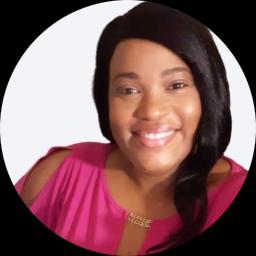
About Alesha
Dr. Alesha Caldwell is an LCSW licensed in Illinois and Virginia with ten years of clinical experience. She focuses on stress, anxiety, trauma and abuse, grief, depression, and life transitions.
She meets people where they are and helps them move toward clearer goals. She believes clients know their own stories and brings practical tools to help them act on what matters. Sessions emphasize steps you can try between meetings.
The work is steady and focused on real changes, not quick fixes.
Background and approach
Her approach blends mindfulness, cognitive work, and acceptance strategies to reduce worry and improve everyday functioning. She also uses skills from dialectical behavior models to manage strong emotions and build healthier responses. Motivational interviewing helps people find reasons to change and stay engaged.
Dr. Caldwell pays attention to how relationships, identity, and life events shape current struggles. She supports people facing caregiver stress, chronic illness, career strain, and issues like abandonment or attachment wounds.
She also addresses substance concerns and first responder stress. Sessions are offered in English and can be scheduled online through video, phone, chat, or messaging. The first step is a short matching questionnaire and a plan that fits individual circumstances.
She encourages small, steady steps and practical coping strategies.
How mindful and skills-based therapy works online
ACT helps people clarify values and take small committed actions that match what matters most. It focuses on accepting difficult thoughts while building a life guided by chosen priorities, which can be useful for anxiety and life transitions.CBT looks at how thoughts, feelings, and behaviors interact and teaches practical strategies to change unhelpful patterns. It is often used for anxiety, depression, and stress by breaking problems into manageable steps.
DBT adds skills for regulating intense emotions, tolerating distress, and improving communication. These tools can help when anger, relationship struggles, or overwhelming feelings get in the way of daily life.
Finding the right mix of approaches is a shared process. The therapist will work with each person to decide which methods fit their goals, preferences, and challenges. That collaborative plan can shift over time as needs change.
Online formats include video calls, phone sessions, live chat, and text-based messaging. Video is good for in-depth work and visual connection. Phone sessions can be lower bandwidth and easier to fit into a workday. Live chat or messaging is useful for quick check-ins, skill practice, or brief reflections between sessions. These options offer flexibility so therapy can fit around life demands.
Questions people ask
What concerns does she commonly address?
How would you describe her therapeutic style?
What is her background and experience?
Where is she licensed and based?
Are sessions available in other languages?
What session formats are offered?
How does cost and billing work?
How do I begin working with her?
What this therapist works with
Most often
Also listed
- Abandonment
- Anger management
- Attachment issues
- Bipolar disorder
- Career difficulties
- Caregiver issues and stress
- Chronic pain, illness, and disability
- Communication problems
- Compassion fatigue
- Control issues
- Coping with life changes
- Coping with natural or human-caused disaster
- Depression
- Dissociation
- Drug and alcohol addiction
- Family problems
- First responder issues
- Forgiveness
- Guilt and shame
- Immigration issues
- Isolation / loneliness
- LGBT
- Life purpose
- Money and financial issues
- Panic disorder and panic attacks
- Post-traumatic stress
- Prejudice and discrimination
- Relationship issues
- Self esteem
- Self-love
- Social anxiety and phobia
- Women's issues
- Workplace issues
- Young adult issues
Therapeutic approaches
- Experience
- 10 years
- Licensed
- Illinois, Virginia
- Languages
- English
We will earn a commission if you sign up through our link, at no cost to you.