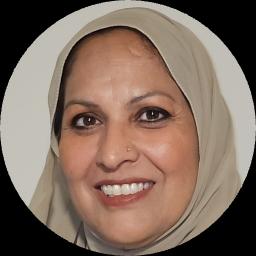
About Aabeda
Aabeda Fatmi is a licensed clinician in Florida with 16 years of professional experience. She combines practical skills with a respectful, person-focused style to help people manage anxiety, stress, and major life changes. Her work emphasizes each person’s strengths and what matters most to them in everyday life.
She uses clear, straightforward conversations to help people sort out family conflict, relationship and intimacy concerns, and career worries. She also supports people dealing with trauma and abuse, depression, addiction, and compassion fatigue.
Background and approach
Sessions focus on doable steps and realistic goals rather than abstract theory. Aabeda draws on Client-Centered Therapy to center the person’s experience and priorities. She integrates Cognitive Behavioral Therapy to identify unhelpful thinking and build different habits.
Mindfulness and Solution-Focused techniques are used to calm overwhelming moments and set short-term goals. Her approach is collaborative and practical. She helps people name small changes that lead to relief and clearer choices.
She explains options simply and adjusts based on what is working for each person. People who come to her often want help with self-esteem, social anxiety, attachment or abandonment concerns, caregiving stress, or processing post-traumatic stress. She speaks English, Bihari languages, Hindi, and Urdu, and accepts international clients.
Sessions are offered through video, phone, live chat, or text messaging.
Practical approaches for online therapy and coping
Client-Centered Therapy focuses on the person’s own goals and strengths. The therapist listens closely and follows the person’s lead to help them make choices that feel right. Cognitive Behavioral Therapy, or CBT, looks at how thoughts and actions keep problems going and uses simple exercises to change thinking and behavior for better daily functioning.Finding the right approach is part of the work. The therapist will collaborate with each person to decide which methods suit their needs, goals, and preferences. That plan can change over time based on what helps most in real life.
Online sessions are offered by video calls, phone sessions, live chat, or text-based messaging to make care more flexible. Video lets people read facial cues and use visual tools. Phone sessions can be easier when bandwidth is limited or for a quick check-in. Live chat and text messaging work well for brief updates, journaling between sessions, or when typing feels more comfortable. These options let people fit therapy into busy lives and keep progress moving forward.
Questions people ask
What kinds of concerns does she help with?
How would you describe her therapy style?
What experience does she bring?
Where is she licensed and based?
Which languages are supported in sessions?
Can people outside the country work with her?
What session formats are available?
How do I begin working with her?
What this therapist works with
Most often
- Stress, Anxiety
- Family conflicts
- Trauma and abuse
Also listed
- Abandonment
- Addictions
- Aging and geriatric issues
- Attachment issues
- Autism and Asperger Syndrome
- Blended family issues
- Career difficulties
- Caregiver issues and stress
- Compassion fatigue
- Coping with life changes
- Depression
- Divorce and separation
- Family of origin issues
- Forgiveness
- Guilt and shame
- Intimacy-related issues
- Isolation / loneliness
- Post-traumatic stress
- Relationship issues
- Self esteem
- Self-love
- Social anxiety and phobia
Therapeutic approaches
- Experience
- 16 years
- Licensed
- Florida, Utah, New Jersey, Maryland
- Languages
- English, Bihari languages, Hindi, Urdu
We will earn a commission if you sign up through our link, at no cost to you.