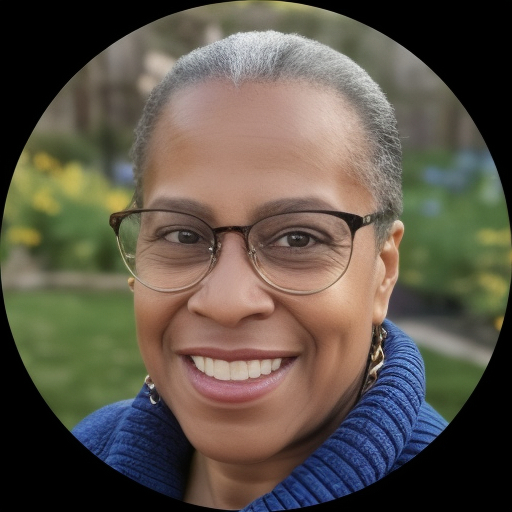
About Yvonne
Yvonne Oree is a Licensed Clinical Social Worker (LCSW) based in North Carolina who helps people struggling with anxiety and related concerns. She speaks plainly and offers steady support to people trying to reduce stress, manage mood, or navigate life changes. Yvonne draws on 15 years of clinical experience to help clients sort out what matters most to them.
She focuses on clear, practical steps rather than jargon. Sessions emphasize strengths and small, doable changes that fit into everyday life.
Background and approach
Her style is client-centered and solution-focused. She listens first, then works with each person to set achievable goals. Cognitive behavioral techniques and mindfulness practices are used to shift unhelpful thinking and build better coping habits.
Yvonne has a long history working with concerns such as addiction, trauma and abuse, depression, relationship strain, grief, and parenting stress. She also supports people dealing with process addictions, domestic violence effects, mood disorders, and women’s issues. Her approach combines motivation-focused conversations with hands-on strategies to keep progress moving.
People who prefer a straightforward, respectful therapist often feel comfortable with her. She encourages honest discussion and practical problem solving. Her aim is to help people regain more calm, clearer thinking, and healthier routines.
Using practical approaches in online therapy
Client-centered therapy focuses on listening and meeting each person where they are. The therapist follows the client's lead, reflects concerns, and helps people clarify what they want to change. This approach is useful for building trust and deciding goals together.Cognitive behavioral therapy (CBT) looks at how thoughts, feelings, and behaviors interact. Sessions include identifying unhelpful thoughts, trying small behavioral experiments, and practicing new coping skills. CBT is often helpful for anxiety, depression, and habit changes.
Mindfulness therapy brings attention to the present moment with simple awareness exercises. It helps reduce reactivity and supports better stress management by teaching short breathing or grounding practices that can be used anywhere.
Finding the right mix of approaches is a collaborative process. The therapist will discuss goals and preferences, then try methods that match what the client wants. Adjustments are made along the way based on what works best for the person.
Online sessions offer flexible ways to connect. Video calls allow face-to-face conversation and visual cues. Phone sessions need less bandwidth and can fit a work break. Live chat and text-based messaging make brief check-ins or skills practice easier between meetings. These options help people fit therapy into busy lives and keep progress steady.
Questions people ask
What kinds of concerns does she address?
How would you describe her therapeutic style?
What is her professional background?
Where is she licensed to practice?
Can I work with her if I live outside the United States?
What formats are available for sessions?
How are sessions priced and billed?
How do I begin working with her?
What this therapist works with
Most often
- Stress, Anxiety
- Addictions
- Anger management
Also listed
- Bipolar disorder
- Career difficulties
- Coaching
- Compassion fatigue
- Coping with life changes
- Depression
- Domestic violence
- Drug and alcohol addiction
- Eating disorders
- Family conflicts
- Grief
- Intimacy-related issues
- Mood disorders
- Parenting issues
- Process addiction (porn, exercise, gambling)
- Relationship issues
- Self esteem
- Sleeping disorders
- Trauma and abuse
- Women's issues
Therapeutic approaches
- Experience
- 15 years
- Licensed
- North Carolina, Virginia
- Languages
- English
We will earn a commission if you sign up through our link, at no cost to you.