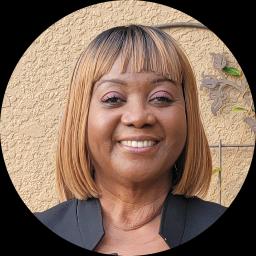
About Winifred
Winifred Cooke-Freeman is a licensed clinical social worker who helps people manage stress and anxiety. She works with adults who are facing life changes, grief, relationship strain, addictions, and questions about purpose. Her style is straightforward and compassionate, aimed at practical steps people can use day to day.
She blends several evidence-informed approaches to match each person’s needs. Cognitive Behavioral Therapy helps identify unhelpful thoughts and shift behaviors. Acceptance and Commitment Therapy supports living by personal values even when strong emotions are present.
Background and approach
Mindfulness practices and skills from Dialectical Behavior Therapy are also part of her plan when people need tools to calm intense feelings. She uses client-centered methods to keep sessions focused on each person’s priorities and pace. Sessions include coaching elements when people want concrete goals for work, caregiving, or recovery.
Cooke-Freeman brings ten years of clinical experience in Florida to her work. She pays attention to multicultural concerns, aging and geriatric issues, caregiver stress, chronic illness, and the effects of trauma. This background informs how she frames treatment and suggests strategies.
People who reach out can expect clear discussion of goals and simple steps to try between sessions. She encourages building coping skills, improving communication, and reducing isolation. The aim is steady progress toward more manageable days and a stronger sense of direction.
Online approaches that meet you where you are
Winifred often uses Acceptance and Commitment Therapy to help people clarify what matters to them and take small steps toward those values, even when anxiety or painful feelings are present. Cognitive Behavioral Therapy is used to identify patterns of thinking that contribute to stress and to build different, more helpful habits over time.Finding the right approach is a collaborative process. She discusses options with each person, tries different tools, and adjusts plans based on needs, goals, and preferences. Clients and the therapist set practical goals together and review progress regularly.
Online sessions are offered by video call, phone, live chat, or text-based messaging to fit varied schedules. Video calls are useful for in-depth work and visual connection, phone sessions can be easier when bandwidth is limited, and live chat or messaging can suit quick check-ins or skill practice between appointments. These options aim to make therapy more flexible and easier to fit into a busy life.
Questions people ask
What kinds of concerns does she address?
How would you describe her therapeutic style?
What is her clinical background?
Where is she based and licensed?
Which languages are supported for sessions?
What formats are available for sessions?
How is payment handled and what does it cost?
How do I begin working with her?
What this therapist works with
Most often
Also listed
- Addictions
- Aging and geriatric issues
- Anger management
- Career difficulties
- Caregiver issues and stress
- Chronic pain, illness, and disability
- Coaching
- Communication problems
- Compassion fatigue
- Depression
- Family conflicts
- Family of origin issues
- Family problems
- Forgiveness
- Grief
- Guilt and shame
- Isolation / loneliness
- LGBT
- Life purpose
- Midlife crisis
- Multicultural concerns
- Parenting issues
- Prejudice and discrimination
- Relationship issues
- Self esteem
- Sexual assault and abuse
- Trauma and abuse
- Veteran and Armed Forces Issues
- Visually impaired
- Women's issues
Therapeutic approaches
- Experience
- 10 years
- Licensed
- Florida
- Languages
- English
We will earn a commission if you sign up through our link, at no cost to you.