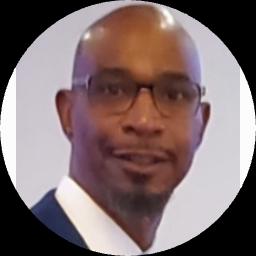
About Tyson
Tyson Spears is a Licensed Professional Counselor (LPC) based in Wisconsin with three decades of experience. He works with people facing stress, anxiety, depression, bipolar concerns, addictions, and relationship or parenting challenges. Tyson offers straightforward support to help people cope with life changes and regain a sense of control.
Tyson keeps his approach warm and interactive. He listens first, then helps shape a plan that fits each person's situation. Sessions focus on practical steps, problem-solving, and building skills that can be used between meetings.
Background and approach
He uses a mix of methods, including acceptance and commitment strategies, cognitive-behavioral tools, mindfulness practices, and motivational interviewing. That mix lets him tailor sessions to issues like anxiety, low self-esteem, compulsive behaviors, or grief from loss and change. Tyson avoids labels and treats people with respect and compassion.
He aims to be genuine and creative in session, offering clear options rather than jargon. Over time he helps clients try new ways of responding to stress and rebuild routines that feel manageable. People who work with him can expect a focus on goals that matter to them.
Conversations cover practical coping skills, communication habits, and steps to reduce daily distress. Tyson supports clients as they practice new behaviors and evaluate what works for their life.
How therapeutic approaches fit into online care
Acceptance and Commitment Therapy, or ACT, focuses on noticing thoughts and values, then taking actions that match what matters to a person. It can help with anxiety, stress, and decisions about life purpose. Cognitive Behavioral Therapy, CBT, looks at how thoughts, feelings, and behaviors interact and teaches concrete skills to change unhelpful patterns; it is often useful for anxiety, depression, and compulsive behavior. Mindfulness Therapy teaches simple attention and breathing practices to reduce reactivity and improve focus, which supports stress and emotion regulation.Finding the right mix of approaches is collaborative. The therapist will listen to your goals and try different techniques until you find what helps. Sessions are shaped around what you want to change and what feels workable in your day to day life.
Online formats include video calls, phone sessions, live chat, and text-based messaging. Video works well for deeper conversations and visual cues. Phone sessions can be easier when bandwidth is limited or to fit a work break. Live chat and messaging suit quick check-ins, brief coaching, or follow-up between sessions. These options make it easier to fit therapy into a busy schedule and keep momentum between meetings.
Questions people ask
What kinds of concerns does Tyson address?
What is his general therapy style?
How much clinical experience does he have?
What credentials and location apply?
Which languages are used in sessions?
What session formats are available?
How are costs handled?
How do I get started with therapy?
What this therapist works with
Most often
- Stress, Anxiety
- Self esteem
- Bipolar disorder
Also listed
- Addictions
- Aging and geriatric issues
- Anger management
- Antisocial personality
- Coaching
- Communication problems
- Compassion fatigue
- Coping with life changes
- Depression
- Family conflicts
- Family problems
- Fatherhood issues
- First responder issues
- Infidelity
- Intimacy-related issues
- Isolation / loneliness
- Jealousy
- Life purpose
- Multicultural concerns
- Parenting issues
- Personality disorders
- Phobias
- Prejudice and discrimination
- Process addiction (porn, exercise, gambling)
- Relationship issues
- Self-love
- Social anxiety and phobia
Therapeutic approaches
- Experience
- 30 years
- Licensed
- Wisconsin
- Languages
- English
We will earn a commission if you sign up through our link, at no cost to you.