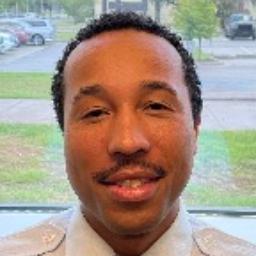
About Tyerell
Tyerell Dotson is a licensed clinical social worker with five years of experience helping people handle stress and anxiety. He works from a collaborative stance and aims to guide clients toward clearer goals. His style is direct and practical while remaining steady and empathetic.
He focuses on common concerns like stress, anxiety, depression, sleep problems, anger, and coping with life changes. He also addresses trauma and abuse, addictions, grief, and issues that affect daily functioning.
Background and approach
Conversations often begin with concrete problems and move toward manageable steps to change routines. In sessions he uses methods that help people notice thoughts and make choices that match their values. He draws on cognitive-behavioral tools to shift unhelpful thinking and on mindfulness practices to reduce reactivity.
Motivational approaches are used when people want help finding energy to make changes. He works with relationship and family concerns from an individual perspective, helping people improve communication, manage commitment and control issues, and respond to infidelity or financial stress.
He also supports those dealing with caregiver strain, aging and geriatric issues, first responder stress, and veteran or armed forces issues when those topics come up in individual work. Sessions are offered in English and are delivered remotely through video, phone, live chat, or text-based messaging to fit different schedules and needs.
How therapeutic approaches translate to online work
Tyerell uses Acceptance and Commitment Therapy to help people notice painful thoughts and focus on actions that match their values. ACT can be useful for anxiety, stress, and adjusting to life changes because it emphasizes meaningful direction over trying to eliminate difficult feelings.He also draws on Cognitive Behavioral Therapy to identify unhelpful thinking patterns and test new behaviors. CBT is practical and goal oriented, which works well for problems like anxiety, depression, sleep issues, and anger by teaching skills to change reactions and routines.
Finding the right approach is a collaborative process. He will talk with the client about needs, goals, and day-to-day constraints and then recommend methods to try. Adjustments are made together if something isn't fitting or producing the expected benefits.
Online sessions are offered via video, phone, live chat, or text-based messaging to make therapy more flexible. Video calls let people use visual cues and deeper conversation, phone sessions are helpful when bandwidth is limited or for a shorter check-in, live chat can be useful for brief processing, and messaging supports ongoing reflection between sessions. These options help people fit therapy into work, caregiving, or other responsibilities while keeping consistent contact with licensed professionals.
Questions people ask
What kinds of concerns does he address?
How would you describe his therapeutic style?
What is his background and experience?
Where is he licensed and practicing?
Which languages are supported for sessions?
What session formats are available?
How are sessions paid for and what does it cost?
How do I begin working with him?
What this therapist works with
Also listed
- Addictions
- Aging and geriatric issues
- Anger management
- Caregiver issues and stress
- Commitment issues
- Communication problems
- Control issues
- Coping with life changes
- Depression
- Domestic violence
- Family conflicts
- First responder issues
- Grief
- Guilt and shame
- Infidelity
- Isolation / loneliness
- Men's issues
- Money and financial issues
- Mood disorders
- Post-traumatic stress
- Prejudice and discrimination
- Relationship issues
- Self-love
- Sexual assault and abuse
- Sleeping disorders
- Veteran and Armed Forces Issues
- Workplace issues
Therapeutic approaches
- Experience
- 5 years
- Licensed
- Virginia
- Languages
- English
We will earn a commission if you sign up through our link, at no cost to you.