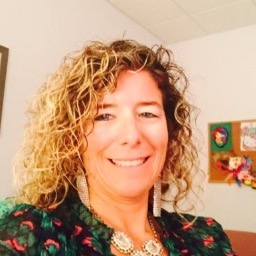
About Tricia
Tricia Betters-Black is a Licensed Clinical Social Worker (LCSW) with 25 years of experience helping people manage anxiety, stress, depression, grief, and addiction-related concerns. She approaches each person with warmth and respect and listens closely to what matters most to them. Her style is interactive and compassionate, with clear feedback and practical steps when they are wanted.
Tricia adapts methods to fit each person's needs rather than using one fixed approach.
Background and approach
She often draws on client-centered work to follow a person's pace and priorities. Cognitive Behavioral Therapy tools are used to notice unhelpful thoughts and test new behaviors. Mindfulness practices are offered to reduce reactivity and improve focus during stressful moments.
Motivational Interviewing helps people find their own reasons to change, especially around substance use or other habits. Solution-focused techniques support setting small, achievable goals and tracking progress. Her background includes extensive work with substance use and long-term experience supporting people in the LGBT community.
She also has experience with caregiving stress, aging and geriatric issues, hospice and end-of-life counseling, and relationship concerns such as infidelity and non-monogamy. Tricia provides talk-based help and practical strategies. She encourages open communication and gives straightforward feedback.
She aims to meet people where they are and work collaboratively toward clearer next steps.
How therapeutic approaches translate to online care
Tricia commonly uses Cognitive Behavioral Therapy and Client-Centered Therapy in online work. CBT focuses on identifying unhelpful thoughts and testing new behaviors to reduce anxiety and depression symptoms. Client-centered work emphasizes listening, empathy, and following the person's pace to set meaningful goals.She also draws on Mindfulness Therapy to teach simple attention and grounding practices that help during stressful moments. These practices can be brief and easy to use between sessions to lower reactivity and improve focus.
Choosing the right approach is collaborative. The therapist will talk about goals and try different techniques to see what fits best. Together they decide which methods to keep and which to change based on progress and personal preference.
Online sessions offer several practical benefits. Video calls allow face-to-face conversation when visual cues matter. Phone sessions use less bandwidth and can fit into a short break. Live chat and text-based messaging make quick check-ins and brief coaching easier between scheduled sessions. These options help people work therapy into busy lives and keep continuity when in-person meetings are not possible.
Questions people ask
What problems does this therapist commonly help with?
How would you describe the therapist's approach in sessions?
What kind of experience does the therapist have?
What credentials and location are listed?
Which languages are supported and are international clients accepted?
What session formats are available?
How is pricing handled for sessions?
What are the steps to begin working with this therapist?
What this therapist works with
Most often
- Addictions
- LGBT
- Relationship issues
Also listed
- Aging and geriatric issues
- Body image
- Caregiver issues and stress
- Depression
- Drug and alcohol addiction
- Eating and food-related issues
- Eating disorders
- Grief
- Hoarding
- Hospice and end-of-life counseling
- Infidelity
- Intimacy-related issues
- Parenting issues
- Polyamory / non-monogamous relationships
- Process addiction (porn, exercise, gambling)
- Self esteem
- Stress, Anxiety
Therapeutic approaches
- Experience
- 25 years
- Licensed
- Florida
- Languages
- English
We will earn a commission if you sign up through our link, at no cost to you.