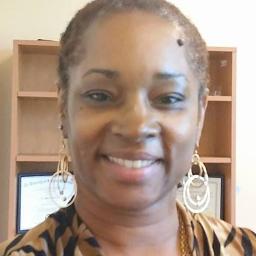
About Tina
Tina Johnson is a Licensed Clinical Social Worker who helps people manage stress, anxiety, relationship strain, trauma, grief, and issues around self-esteem. She focuses on practical steps people can use right away. Her approach is down-to-earth and supportive.
Tina draws on several evidence-based methods to guide sessions. She uses Acceptance and Commitment Therapy and Cognitive Behavioral Therapy to help people notice unhelpful thoughts and try new behaviors. Mindfulness tools and Dialectical Behavior Therapy skills are used to teach calming techniques and improve emotion regulation.
Background and approach
Her style is collaborative and respectful. She listens closely, helps clients name what matters to them, and sets small, achievable goals. Sessions emphasize concrete skills people can practice between meetings.
Tina has nine years of clinical experience and holds an MS and the LCSW credential. She works with concerns such as parenting stress, workplace challenges, control issues, forgiveness, guilt and shame, self-love, and women's issues alongside anxiety and depression. She also supports people coping with compassion fatigue.
Clients meet with Tina online by video, phone, chat, or text messaging. She offers straightforward guidance about next steps and what to expect in early sessions. Her aim is to help people build stronger coping skills and clearer priorities so daily life feels more manageable.
How her approaches translate to online therapy
Acceptance and Commitment Therapy (ACT) helps people clarify their values and take small steps toward them, even when anxiety or uncomfortable thoughts are present. It focuses on meaningful action more than eliminating every difficult feeling. Cognitive Behavioral Therapy (CBT) looks at the link between thoughts, feelings, and actions and teaches practical strategies to change patterns that cause distress. Mindfulness Therapy trains simple attention and breathing practices to reduce reactivity and increase calm.Finding the right approach is a collaborative process. The therapist will talk with the client about goals, preferences, and what has or hasn’t worked before. Together they adjust methods over time so skills and goals line up with daily life.
Online sessions are offered by video calls, phone sessions, live chat, or text-based messaging to make therapy more flexible. Video lets people use visual cues and longer conversation. Phone sessions can be easier when less bandwidth is available or for shorter check-ins. Live chat and text messaging allow smaller, frequent touchpoints and ongoing skill rehearsal between longer sessions. These options help fit therapy into work, parenting, and busy schedules.
Questions people ask
What kinds of concerns does she help with?
How would you describe her therapeutic style?
What is her professional background?
What credentials and region are listed?
Which languages are available for sessions?
What session formats are offered?
How does billing and cost work?
What are the steps to begin?
What this therapist works with
Most often
- Stress, Anxiety
- Relationship issues
- Family conflicts
Also listed
- Anger management
- Career difficulties
- Compassion fatigue
- Control issues
- Coping with life changes
- Depression
- Forgiveness
- Grief
- Guilt and shame
- LGBT
- Parenting issues
- Self esteem
- Self-love
- Trauma and abuse
- Women's issues
- Workplace issues
Therapeutic approaches
- Experience
- 9 years
- Licensed
- Mississippi, Texas
- Languages
- English
We will earn a commission if you sign up through our link, at no cost to you.