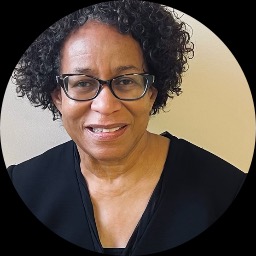
About Theresa
Theresa Ridley is a licensed clinician with 25 years of experience in Maryland. She uses calm, direct support to help people facing stress, anxiety, depression, grief, and problems with addiction. She works from a client-centered stance, which means she listens first and shapes sessions around each person's needs.
She also draws on cognitive behavioral therapy to help people notice and change unhelpful thoughts and behaviors. Sessions aim to be practical and easy to use between meetings.
Background and approach
Theresa helps people who are dealing with trauma and abuse, post-traumatic stress, and complex emotional reactions like guilt, shame, or abandonment. She also supports those managing caregiver strain, isolation, and questions about life purpose. Practical coping skills are paired with time to talk through feelings.
People with substance use concerns can work on patterns of impulsivity, control issues, and codependency while addressing underlying emotional pain. Theresa also offers support for hospice and end-of-life counseling and other grief-related needs. Her approach is straightforward and respectful.
She treats each person as the expert on their life and collaborates to build on strengths. The focus is on small, manageable steps that lead to clearer thinking and steadier daily routines.
Approaches that work well online
Theresa uses client-centered therapy and cognitive behavioral therapy in online sessions. Client-centered therapy focuses on listening and following the person's priorities, which helps when someone needs space to talk through stress, grief, or trauma. Cognitive behavioral therapy provides practical tools to spot unhelpful thoughts and test new behaviors, useful for anxiety, depression, and addictive patterns.Choosing the right approach is part of the work. Theresa collaborates with each person to decide which methods fit their goals and preferences. She checks in regularly and adjusts the plan as needs change so therapy stays relevant and practical.
Online formats include video calls, phone sessions, live chat, and text-based messaging. Video calls are good for face-to-face conversation and visual cues. Phone sessions can be easier when bandwidth is limited or a shorter check-in is needed. Live chat and text messaging let people share thoughts between sessions or check in on difficult days. These options make it easier to fit therapy around work, caregiving, and other commitments while keeping focus on steady progress and usable skills.
Questions people ask
What concerns does she help with?
What is her therapy style like?
How much experience does she have?
Where is she licensed and based?
Which languages are supported?
What session formats are available?
How are sessions paid for?
How do I begin working with her?
What this therapist works with
Also listed
- Abandonment
- Caregiver issues and stress
- Codependency
- Control issues
- Depression
- Drug and alcohol addiction
- Forgiveness
- Grief
- Guilt and shame
- Hospice and end-of-life counseling
- Impulsivity
- Isolation / loneliness
- Life purpose
- Multicultural concerns
- Paranoia
- Personality disorders
- Post-traumatic stress
- Prejudice and discrimination
- Process addiction (porn, exercise, gambling)
- Seasonal Affective Disorder (SAD)
- Self-love
- Women's issues
Therapeutic approaches
- Experience
- 25 years
- Licensed
- Maryland
- Languages
- English
We will earn a commission if you sign up through our link, at no cost to you.