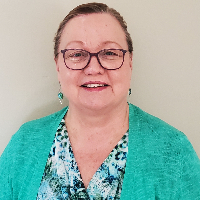
About Susan
Dr. Susan Murati uses practical, evidence-informed approaches to help people manage anxiety and stress. She is a licensed mental health counselor with nearly two decades of clinical experience.
Her manner is warm, direct, and respectful, and she aims to make therapy feel doable for busy people. She draws on cognitive behavioral tools to spot unhelpful thinking and change reactions. Acceptance and Commitment Therapy helps people notice what matters most and take small steps toward those values.
Background and approach
She also uses client-centered and narrative methods to make space for each person’s story and strengths. Many people come to her with anxiety, panic, depression, ADHD, work stress, grief, or relationship strain. She also supports those dealing with trauma, addiction, low self-esteem, and life transitions.
Sessions focus on practical skills, clearer thinking, and actions that fit a person’s life and goals. Dr. Murati works from a multicultural perspective and pays attention to how culture and identity shape experience.
She emphasizes collaboration - setting goals together and adjusting the plan as progress is made. Her style is interactive rather than prescriptive. Clients meet with her by phone, video, live chat, or text-based messaging, which lets therapy fit into a busy schedule.
She holds a Master of Arts with LMHC licensure in New Hampshire and Massachusetts, and she brings 19 years of counseling experience to each session.
How therapy approaches translate to online care
Acceptance and Commitment Therapy (ACT) invites people to notice thoughts and feelings without getting stuck in them, then choose small actions that reflect what matters. This approach can help with anxiety, panic, and life transitions. Cognitive Behavioral Therapy (CBT) focuses on spotting unhelpful thoughts and shifting behavior through practical exercises and skill-building, which is useful for anxiety, depression, and workplace stress. Client-Centered Therapy centers the person’s experience, offering empathy and support while helping people find their own solutions.Finding the right approach is part of counseling. The therapist will work together with each person to pick methods that fit their goals, needs, and preferences. Sessions often combine elements from different approaches and are adjusted over time as progress is tracked.
Online sessions are offered by video call, phone, live chat, or text-based messaging to make therapy more flexible. Video calls allow visual connection and interactive exercises. Phone sessions can be easier when bandwidth is low or for a shorter check-in. Live chat or text messaging make it possible to share thoughts in writing and fit support into a busy day. These options help people keep continuity of care and make regular work toward their goals more convenient.
Questions people ask
What concerns does she address?
What is her therapy style like?
How much clinical experience does she have?
Where is she licensed and based?
Which languages are offered for sessions?
Can people outside the country work with her?
What session formats are available?
How are fees and getting started handled?
What this therapist works with
Most often
- Stress, Anxiety
- Family conflicts
- Trauma and abuse
Also listed
- Addictions
- ADHD
- Anger management
- Bipolar disorder
- Career difficulties
- Coaching
- Communication problems
- Compassion fatigue
- Coping with life changes
- Depression
- Family of origin issues
- Family problems
- Forgiveness
- Grief
- Guilt and shame
- Intimacy-related issues
- Isolation / loneliness
- Life purpose
- Midlife crisis
- Multicultural concerns
- Panic disorder and panic attacks
- Prejudice and discrimination
- Relationship issues
- Self esteem
- Self-love
- Social anxiety and phobia
- Women's issues
- Workplace issues
- Young adult issues
Therapeutic approaches
- Experience
- 19 years
- Licensed
- Massachusetts, New Hampshire
- Languages
- English
We will earn a commission if you sign up through our link, at no cost to you.