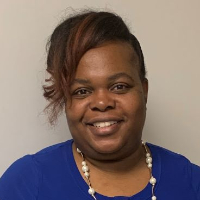
About Shironda
Shironda Bryant is a Licensed Clinical Mental Health Counselor (LCMHC) based in North Carolina with over two decades of experience in counseling. She focuses on everyday struggles like stress, anxiety, depression, anger, relationship tension, and parenting concerns. She also supports people dealing with ADHD, trauma and abuse, and intimacy-related worries.
Her tone is warm and straightforward, aimed at helping people feel heard and understood quickly. She began providing counseling in 2005 and has practiced in North Carolina since 2012 after starting her career in New Jersey.
Background and approach
That range of experience includes work in prisons, court systems, schools, hospitals, and an army base. Those settings shaped a practical, flexible approach to common life problems. In sessions she keeps things interactive and respectful.
Conversations are tailored to each person's needs rather than driven by labels. She draws from multiple approaches to match what a person wants to work on and how they prefer to work. Techniques often include goal-focused strategies and moments of deeper reflection.
She uses clear tools to manage symptoms and make steady progress. Parents, caregivers, and young adults are among those who find the mix of practical steps and reflective work useful. Shironda aims to build a plan together with each person she sees.
That plan balances steps you can try right away with ideas that take longer to change. Her goal is to help people move toward clearer choices and better daily functioning.
Therapeutic approaches you can use online
Client-centered therapy focuses on listening and responding to what matters most to the person. It helps people feel understood and clarified about their goals through respectful, nonjudgmental conversation. Cognitive Behavioral Therapy, or CBT, looks at how thoughts and actions affect feelings and teaches practical steps to change patterns that sustain anxiety or low mood. It often uses simple exercises and homework to test new ways of thinking and behaving.Finding the right approach is part of the work. The therapist will collaborate with each person to choose methods that match their goals, needs, and preferences. That means trying tools together, adjusting the plan, and focusing on what produces small wins in daily life.
Online sessions can be scheduled as video calls, phone sessions, live chat, or text-based messaging. Video is useful for face-to-face conversation and visual cues, while phone sessions can work when bandwidth is limited or a quieter check-in is preferred. Live chat and messaging are handy for brief updates, quick problem-solving, or when someone needs flexible timing. These formats make it easier to fit therapy into a busy schedule while still using practical CBT tools and client-centered dialogue.
Questions people ask
What types of concerns does this therapist address?
What is the general therapy style and approach?
How much experience does the therapist have?
What credential and location information is available?
Are sessions offered in other languages or internationally?
Which session formats are available?
How is cost handled for sessions?
What are the steps to begin working with this therapist?
What this therapist works with
Most often
- Stress, Anxiety
- Relationship issues
- Family conflicts
Also listed
- ADHD
- Adoption and foster care
- Anger management
- Blended family issues
- Caregiver issues and stress
- Commitment issues
- Communication problems
- Control issues
- Depression
- Divorce and separation
- Domestic violence
- Family problems
- Forgiveness
- Intimacy-related issues
- Parenting issues
- Self esteem
- Trauma and abuse
- Young adult issues
Therapeutic approaches
- Experience
- 21 years
- Licensed
- North Carolina
- Languages
- English
We will earn a commission if you sign up through our link, at no cost to you.