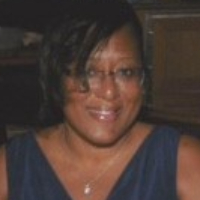
About Sherilyn
Dr. Sherilyn Allen is a Licensed Professional Counselor in Texas who helps people manage stress, anxiety, grief, relationship strain, and low self-esteem. She draws on 20 years of counseling work to support clients facing life changes, addiction concerns, trauma, and caregiving stress.
Her approach aims to create calm and steady progress one conversation at a time. She keeps sessions warm and straightforward. Conversations focus on what is happening now and practical ways to cope.
Background and approach
She encourages self-compassion while helping people notice patterns that get in the way of feeling better. Dr. Allen uses a mix of approaches tailored to each person.
She may use cognitive behavioral techniques to shift unhelpful thoughts, attachment-based ideas to clarify relationship patterns, and mindfulness practices to reduce reactivity. The choice of methods depends on each person’s needs and goals. Her background includes a doctoral degree in Pastoral Community Counseling and long experience in pastoral and clinical settings.
She blends pastoral perspectives with counseling methods to address spiritual, emotional, and practical concerns when clients want that included. Sessions cover a wide range of topics such as career stress, intimacy-related issues, anger, addiction, codependency, and caregiver burnout. Dr.
Allen aims to support clients as they build clearer boundaries, find motivation, and recover from loss and trauma.
How therapeutic approaches translate to online care
Attachment-Based Therapy looks at how early and current relationships shape how people connect and trust. Online sessions can help people notice patterns in relationships and practice new ways of relating to partners or loved ones. Cognitive Behavioral Therapy, or CBT, focuses on the link between thoughts, feelings, and behaviors. In telehealth sessions clients learn to identify unhelpful thoughts and try practical experiments to change routines and reduce anxiety.Choosing the right approach is a shared process. The therapist will discuss goals, preferences, and what feels most useful, then try methods that fit each person. That may mean combining approaches over time until there is a clear plan that helps move toward healthier coping and improved relationships.
Online therapy offers flexibility for busy schedules and different needs. Video calls let people meet face to face when that matters. Phone sessions can be easier when bandwidth is limited or for shorter check-ins. Live chat and text-based messaging work well for ongoing contact, quick coping tools, and when someone prefers writing to talking. These options make it easier to fit counseling into work, caregiving, or treatment routines.
Questions people ask
What kinds of problems does this therapist help with?
How would you describe the therapy style here?
How much experience does the therapist have?
Where is the therapist licensed and based?
Which languages are supported for sessions?
What session formats are available?
How is cost handled for sessions?
How do I begin working with this counselor?
What this therapist works with
Most often
- Stress, Anxiety
- Relationship issues
- Grief
Also listed
- Abandonment
- Addictions
- Aging and geriatric issues
- Anger management
- Attachment issues
- Cancer
- Career difficulties
- Caregiver issues and stress
- Coaching
- Codependency
- Commitment issues
- Communication problems
- Compassion fatigue
- Control issues
- Coping with life changes
- Dependent personality
- Depression
- Divorce and separation
- Emptiness
- Family conflicts
- Family problems
- Forgiveness
- Guilt and shame
- Hospice and end-of-life counseling
- Impulsivity
- Intimacy-related issues
- Isolation / loneliness
- Jealousy
- Life purpose
- Midlife crisis
- Self esteem
- Self-love
- Trauma and abuse
- Women's issues
- Workplace issues
- Young adult issues
Therapeutic approaches
- Experience
- 20 years
- Licensed
- Texas
- Languages
- English
We will earn a commission if you sign up through our link, at no cost to you.